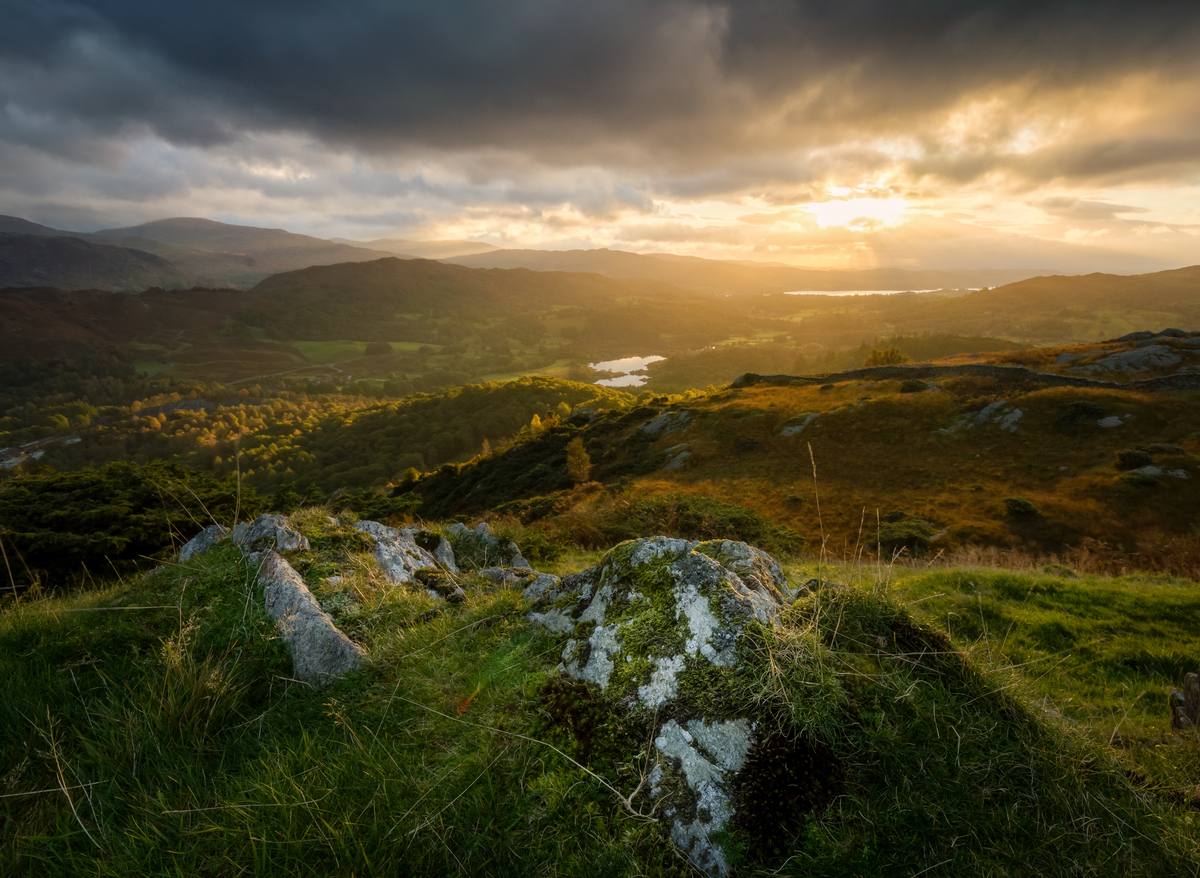
County Cavan
Lakes at every turn of the road: a drumlin county of small hills, islands and water, with Lough Oughter and its island castle at the centre.
Five thousand years of history in the east and midlands: passage tombs, medieval cities, castles and river valleys, packed close enough to tour without rushing.
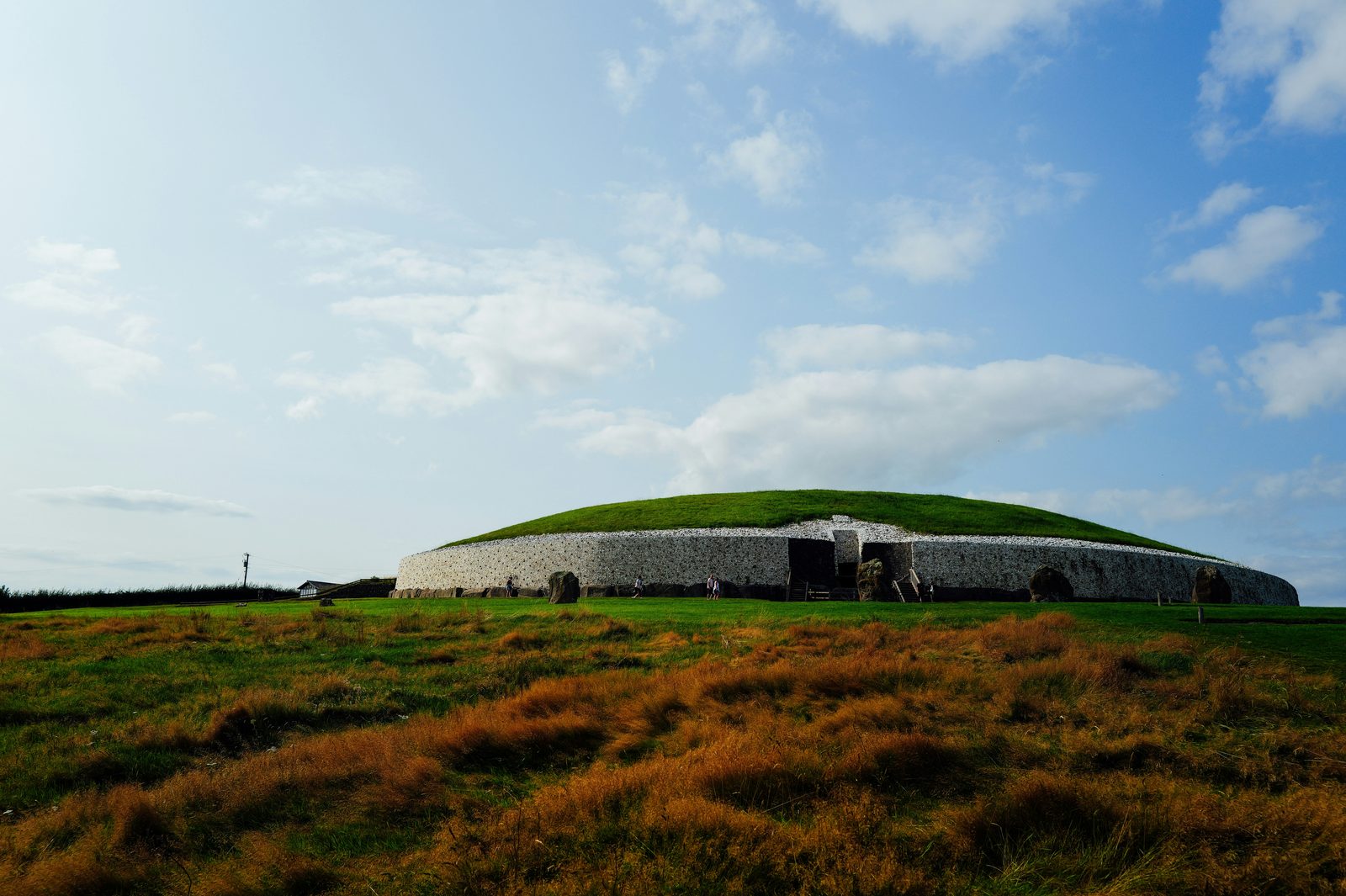
The island's longest human story is written into the landscape of the east, the south-east and the midlands. The Boyne Valley's passage tombs are older than the pyramids, Tara and Uisneach carry the myths of kings, and monasteries like Glendalough and Clonmacnoise shaped early Christian Ireland.
Over that deep past sits a rich later heritage: Norman castles at Trim and Kilkenny, medieval cities, great houses and gardens in Wicklow and Kildare, and river valleys, Boyne, Barrow, Nore and Suir, threading through market towns. It is a region for unhurried touring, where major sights sit close together and quieter counties reward a detour.
Newgrange and Knowth, UNESCO-listed passage tombs in the Boyne Valley.
A monastic valley of lakes and a round tower in the Wicklow Mountains.
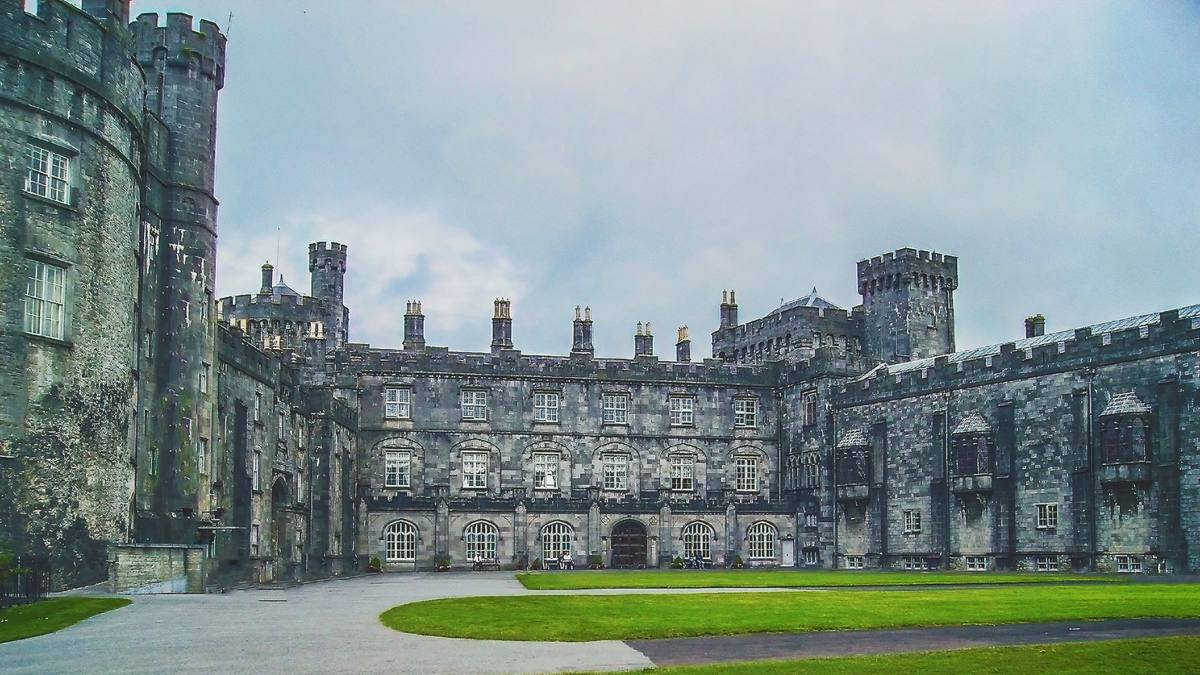
Castle, cathedral and lanes in Ireland's best-preserved medieval city.
A hilltop of medieval churches that was a seat of kings and bishops.
Ireland's oldest city, founded by Vikings, with its tower and museums.
Lakes at every turn of the road: a drumlin county of small hills, islands and water, with Lough Oughter and its island castle at the centre.
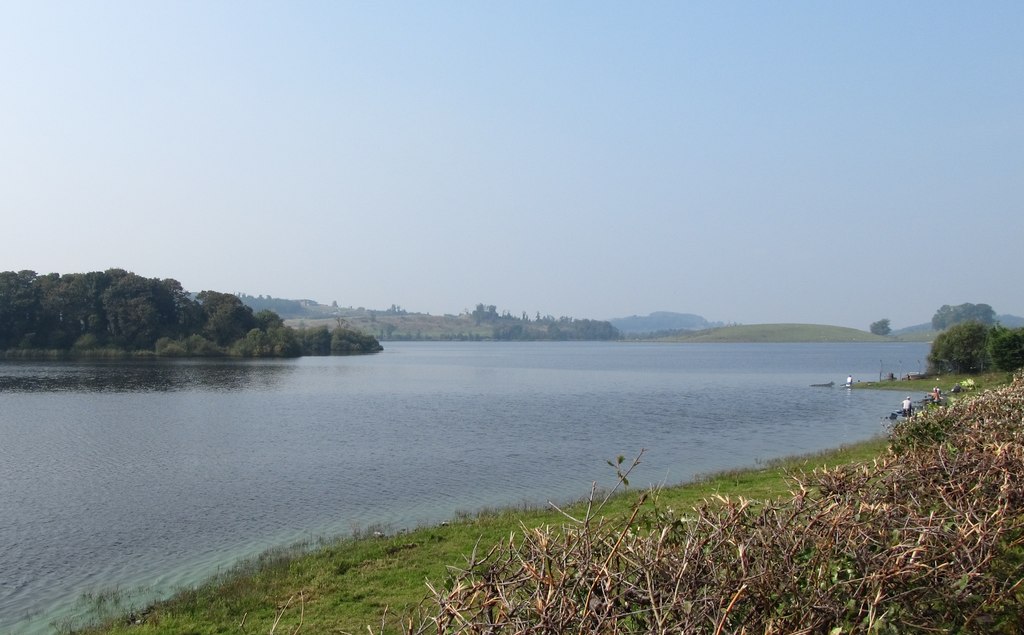
Patrick Kavanagh's drumlin country: small hills, lakes and market towns, with Carrickmacross lace and Lough Muckno's shore for slow days.
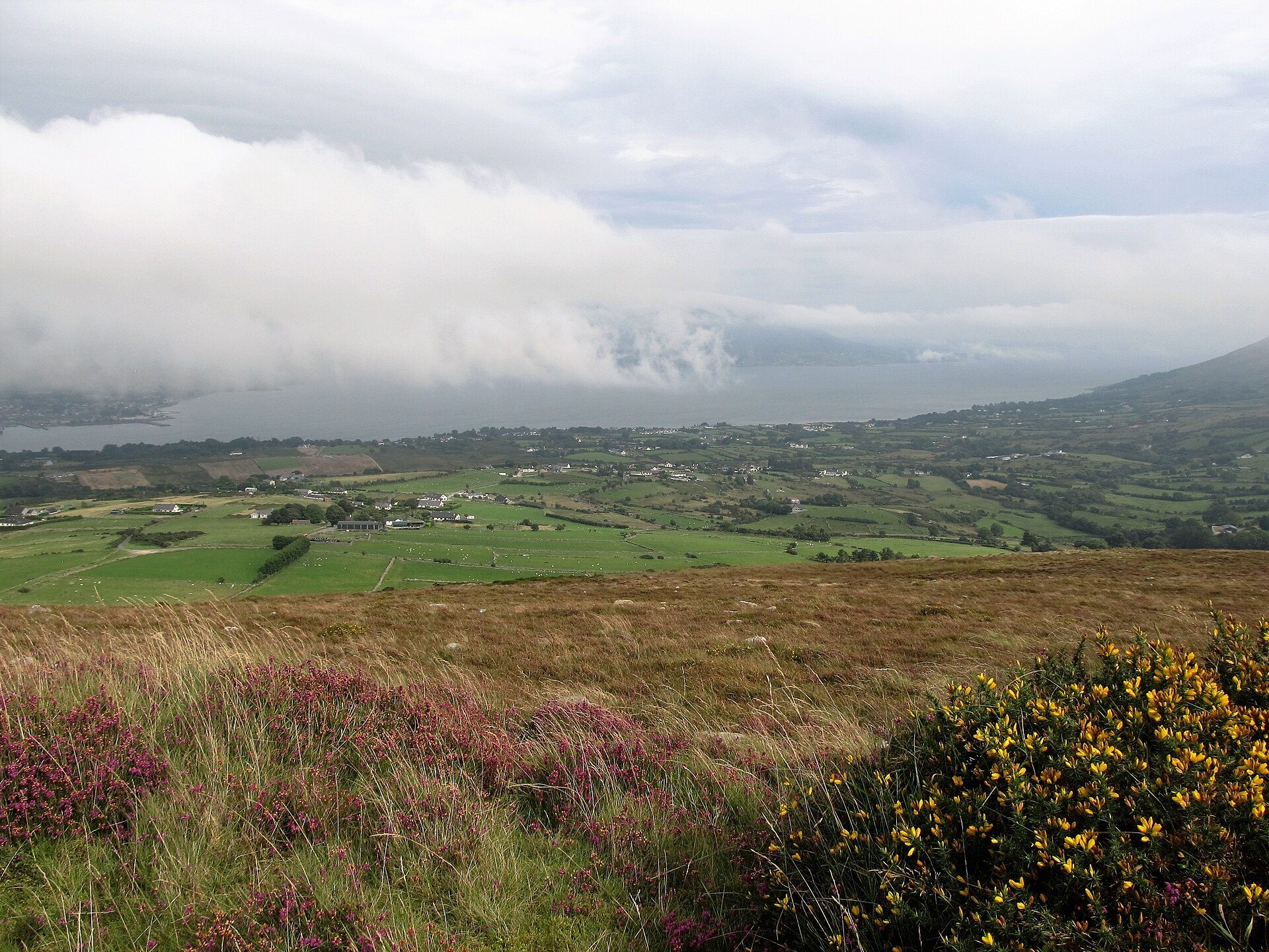
Ireland's smallest county holds an outsized share of the story: high crosses at Monasterboice, the Boyne Valley at its south and the Cooley Peninsula for mountains and the lough. Dublin and Belfast are both an easy drive.
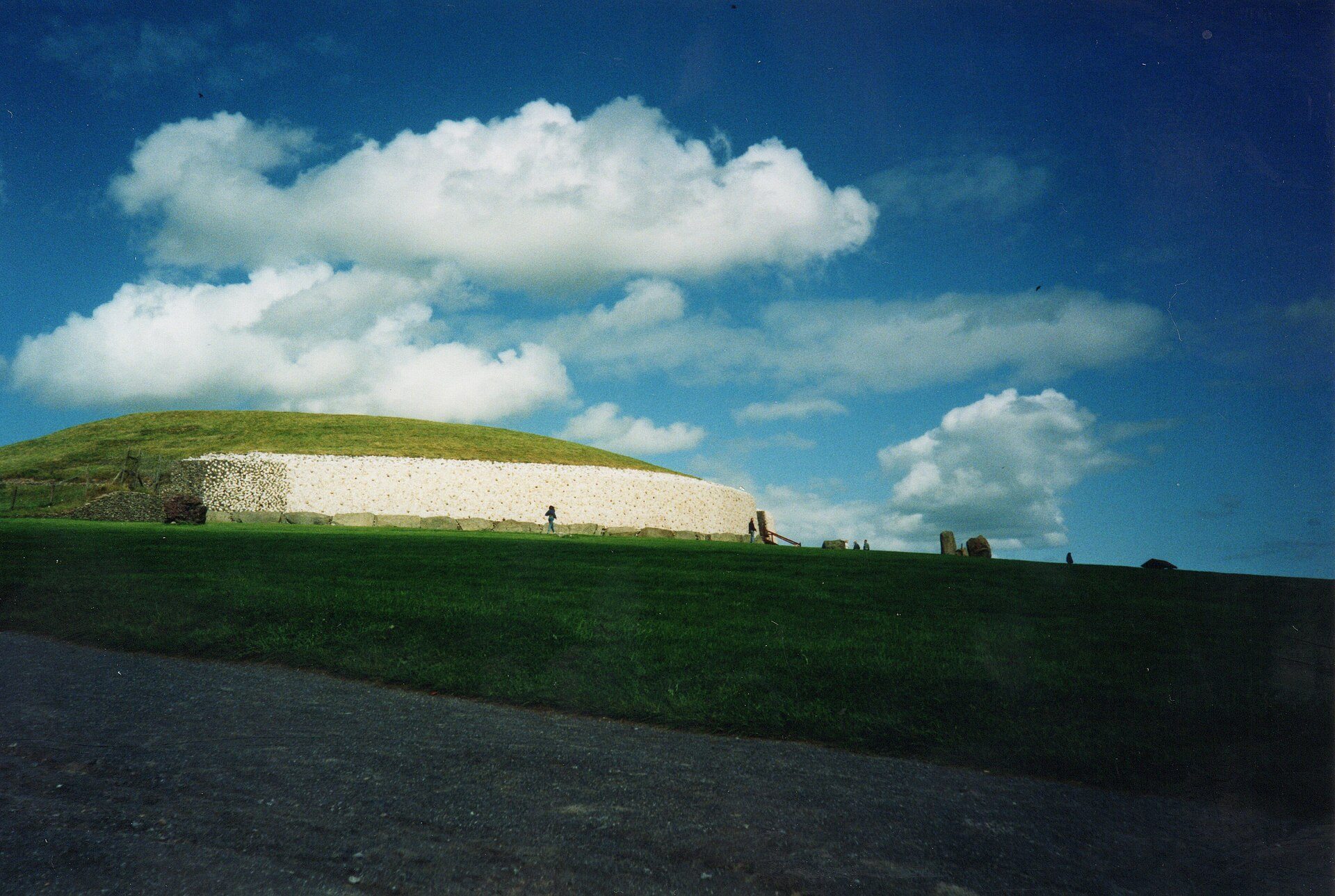
The Boyne Valley holds the deep past: Newgrange and Tara within a short drive of each other, and Trim's great Norman castle. Give the valley a full day.
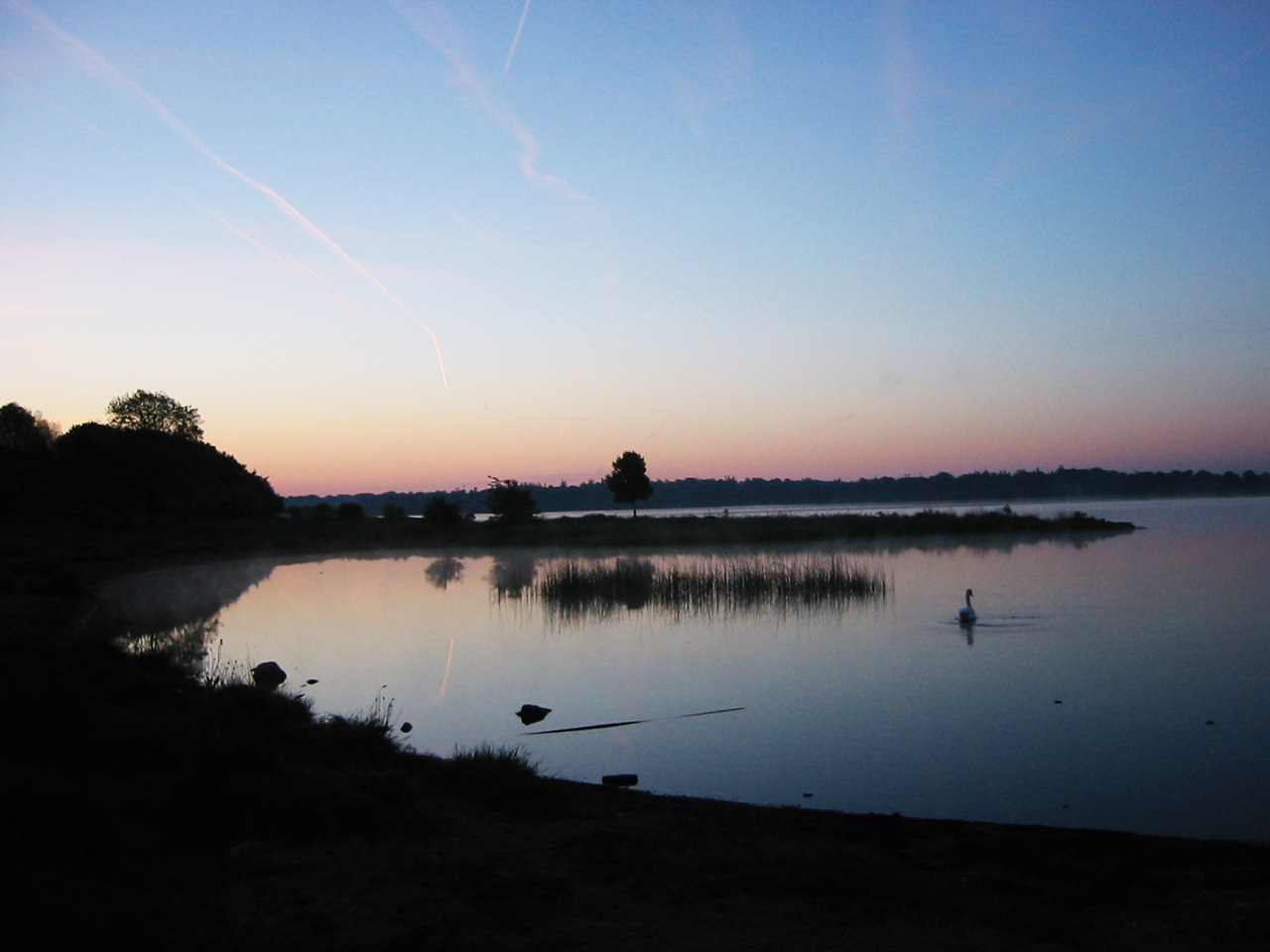
Lakes fill the middle of the county: Ennell, Owel and Derravaragh, with the Shannon and Athlone on the western edge. Belvedere's house and gardens are the set piece.
A low-key midlands county of bogs, lakes and the Royal Canal, with an Iron Age bog road at Corlea as its remarkable sight. Goldsmith and Edgeworth give it literary roots.
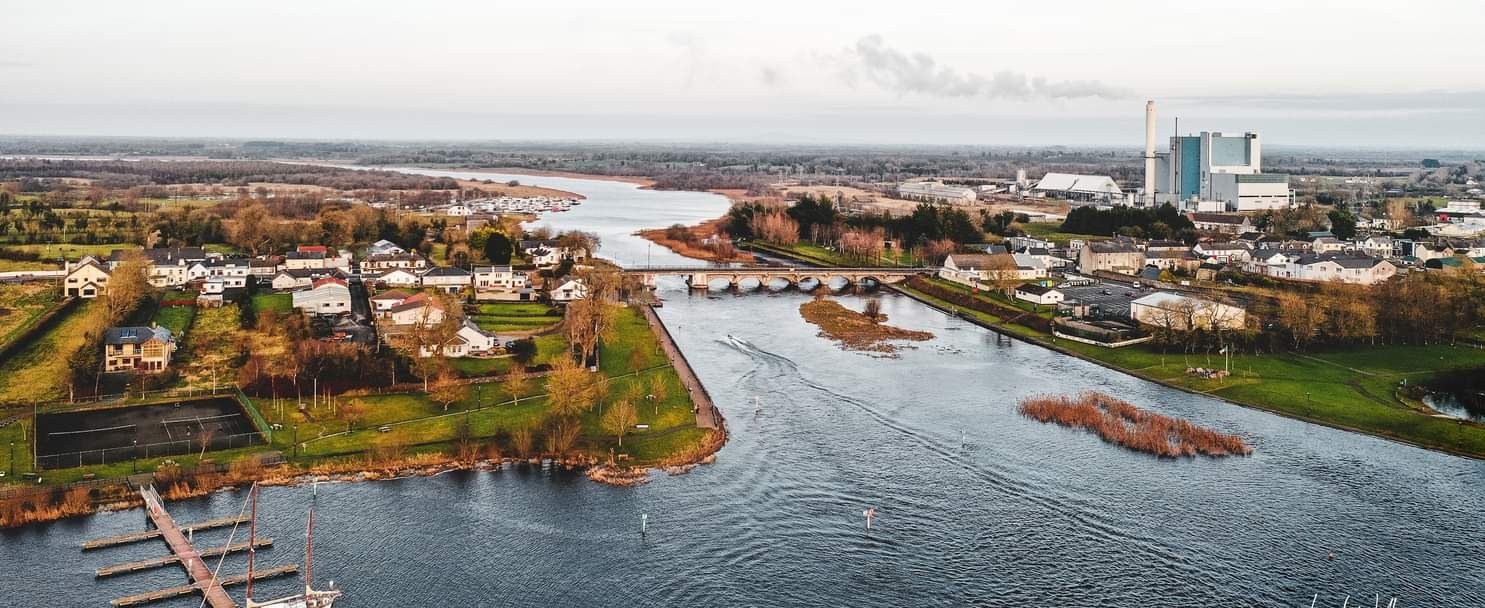
Clonmacnoise on the Shannon and Birr's telescope are the two great stops, with bog, canal and the Slieve Bloom foothills between them. A heritage county that rewards a planned day.
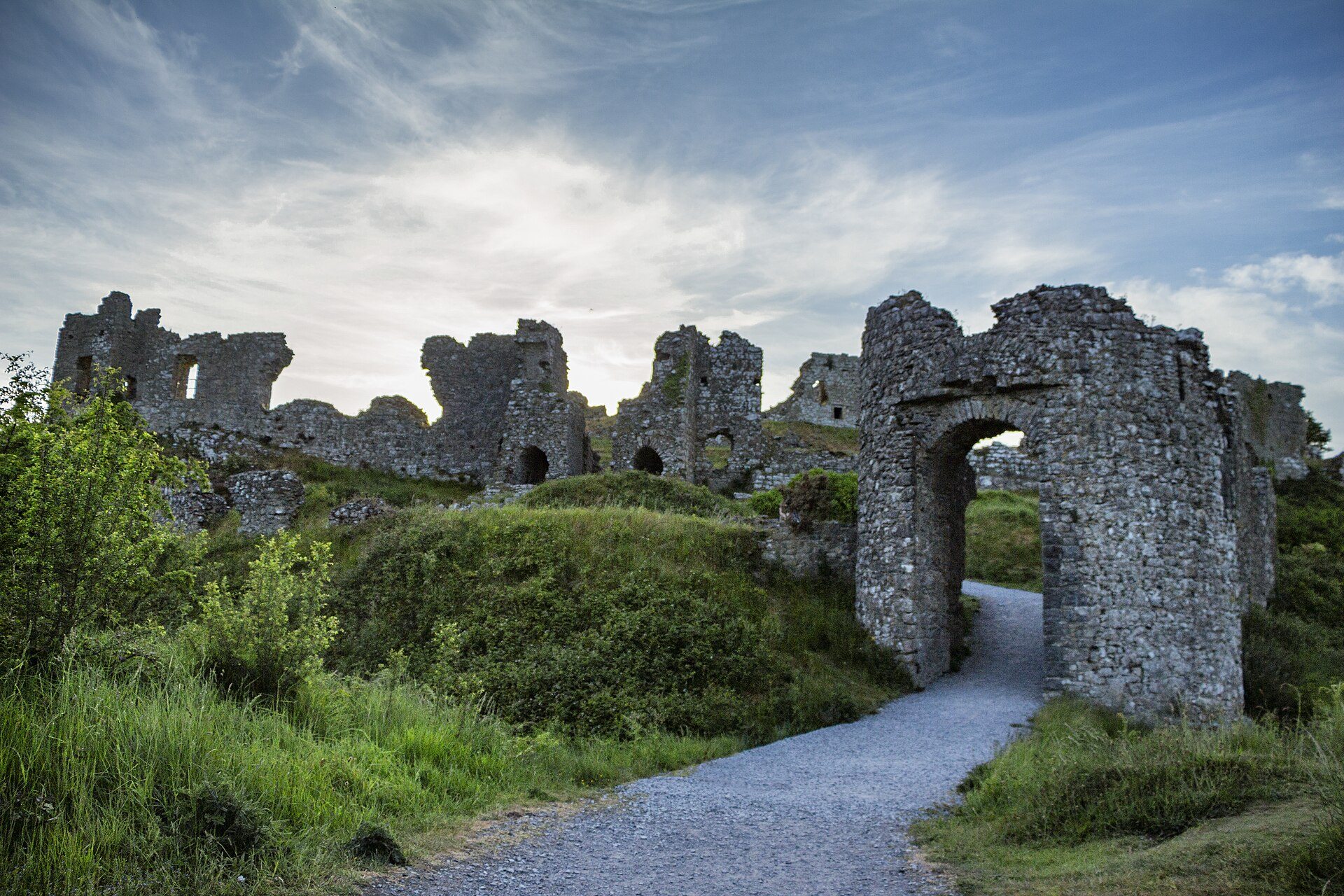
The Slieve Bloom Mountains are among Ireland's quietest walking hills, and the county below them keeps a slow midlands pace: Dunamase's rock, Emo Court and heritage towns.
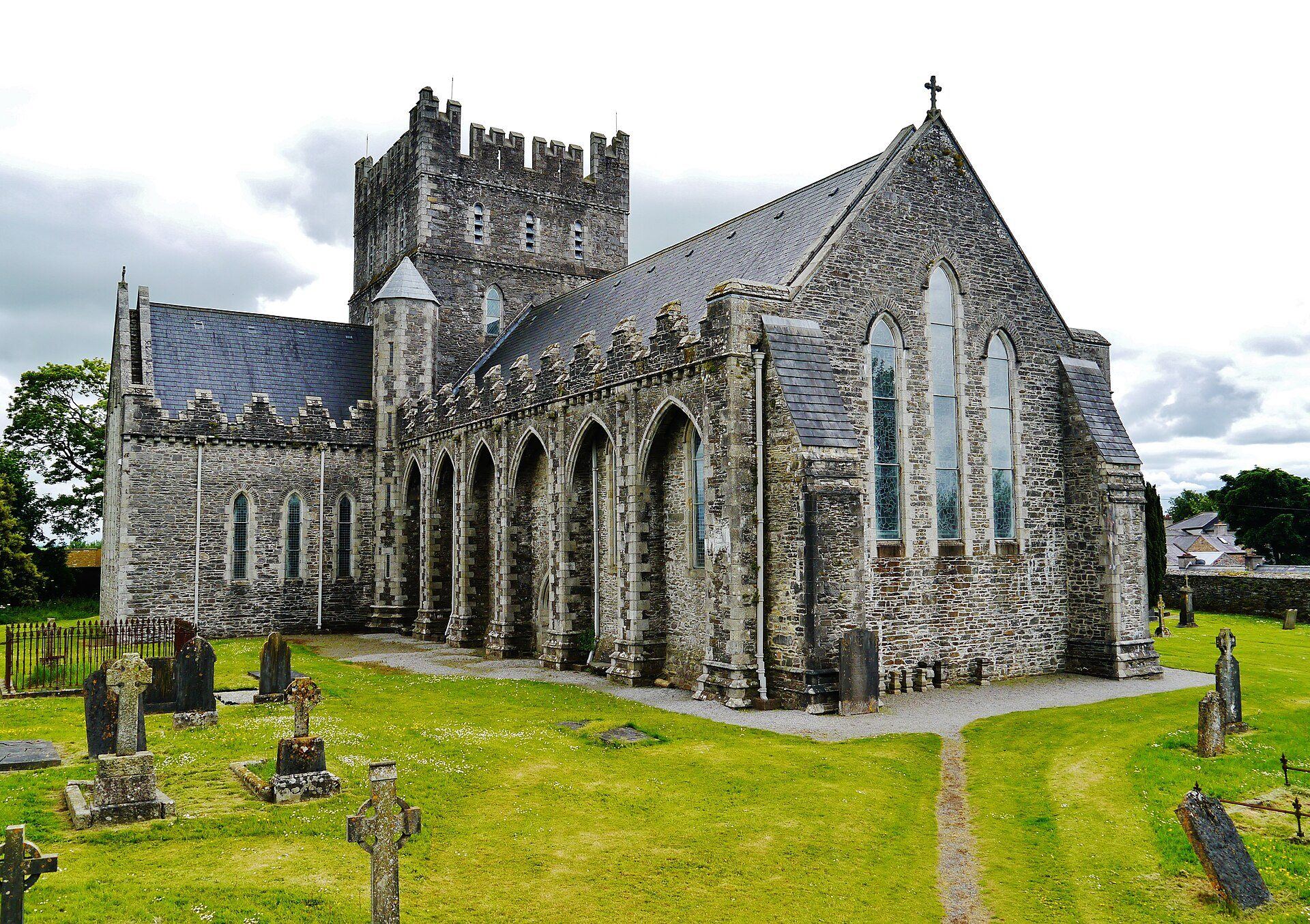
Horses shape everything here: the National Stud, the Curragh plain and paddocks in every direction. Canals and St Brigid's town give it a quieter second half, an easy escape from Dublin.
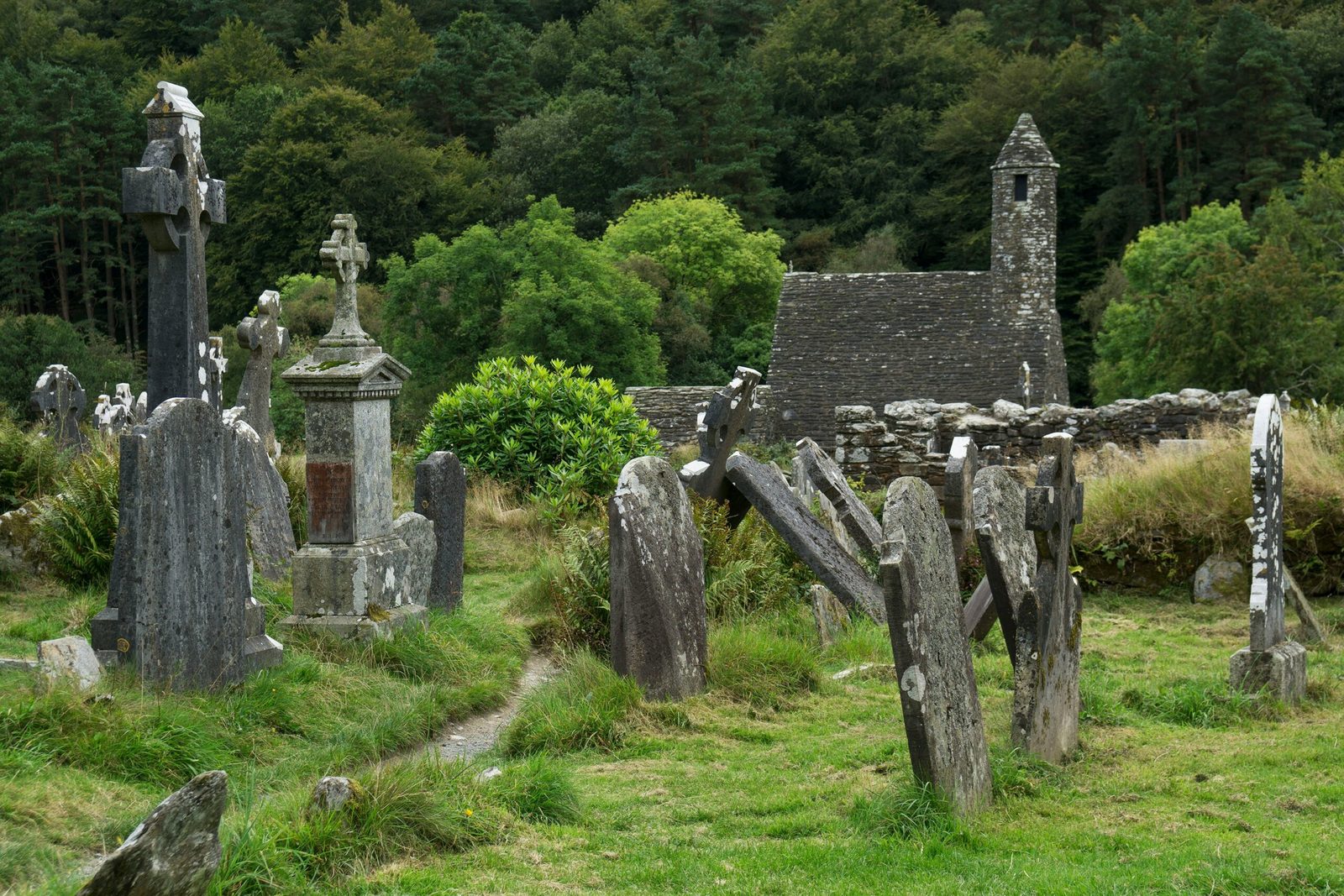
Dublin's garden and escape route: Glendalough's monastic valley, the Sally Gap and Wicklow Gap drives and great houses along the foothills. Go early on fine weekends.
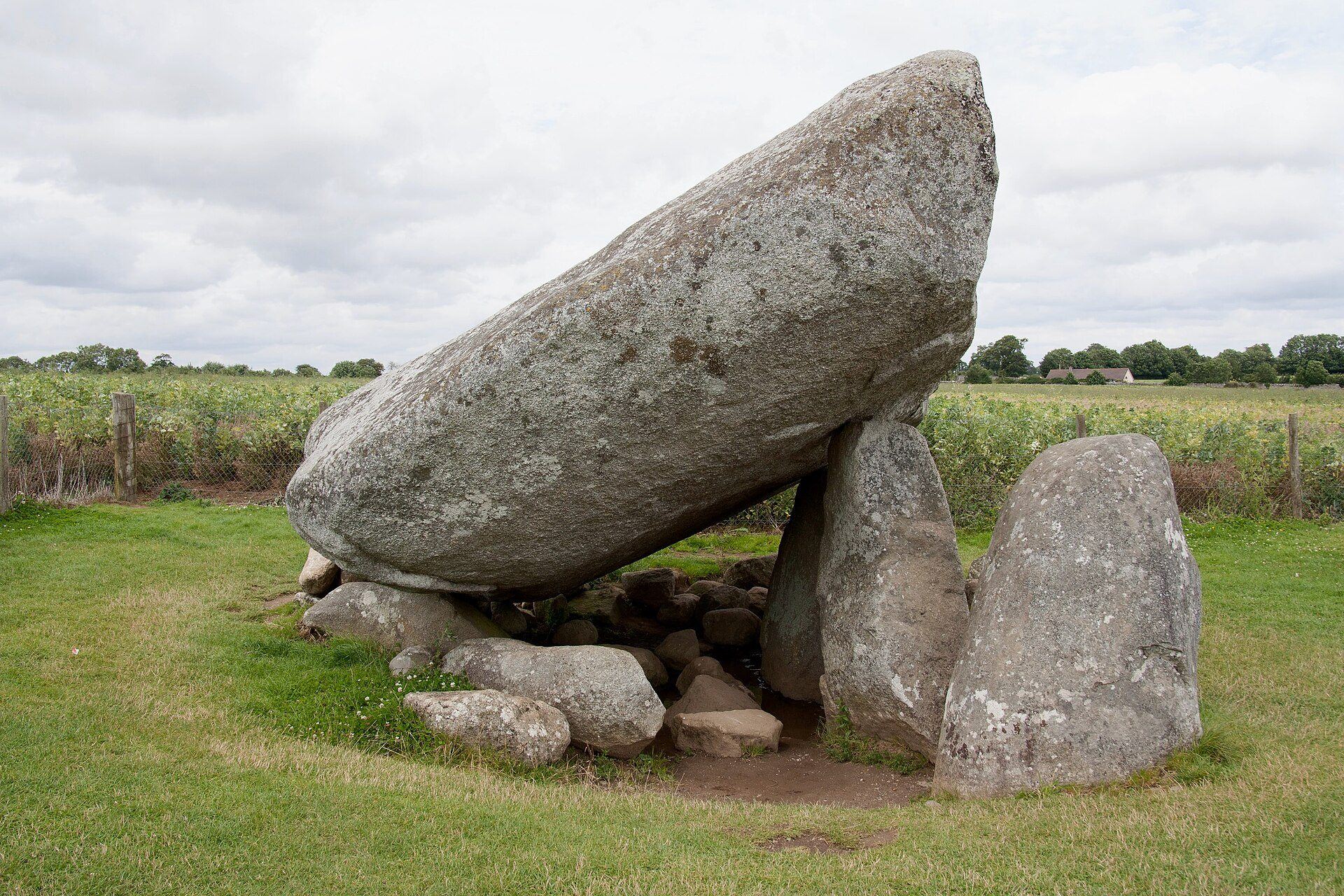
A quiet county along the River Barrow, with dolmens in the fields, good gardens and the Blackstairs Mountains for walking. Market towns keep the pace slow.
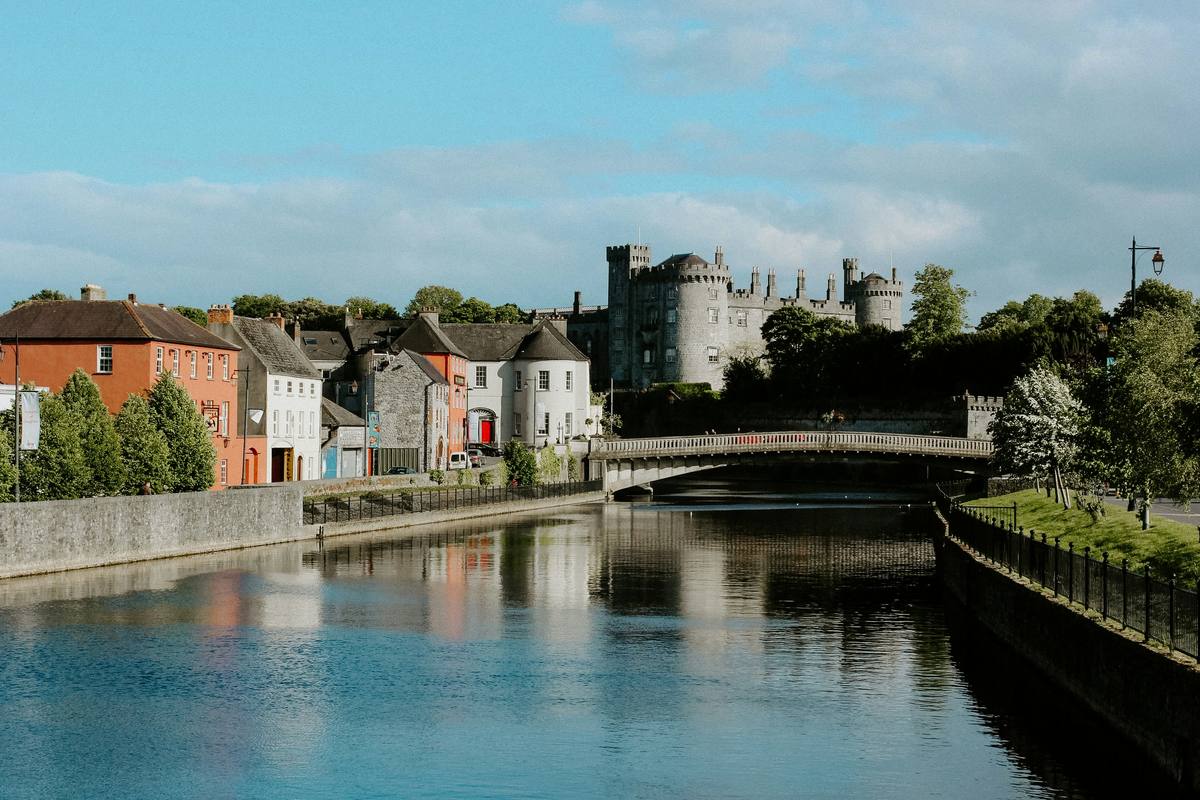
A medieval city with its castle, cathedral and lanes intact, and hurling in its blood. Beyond it the Nore and Barrow valleys settle into villages and abbey ruins.
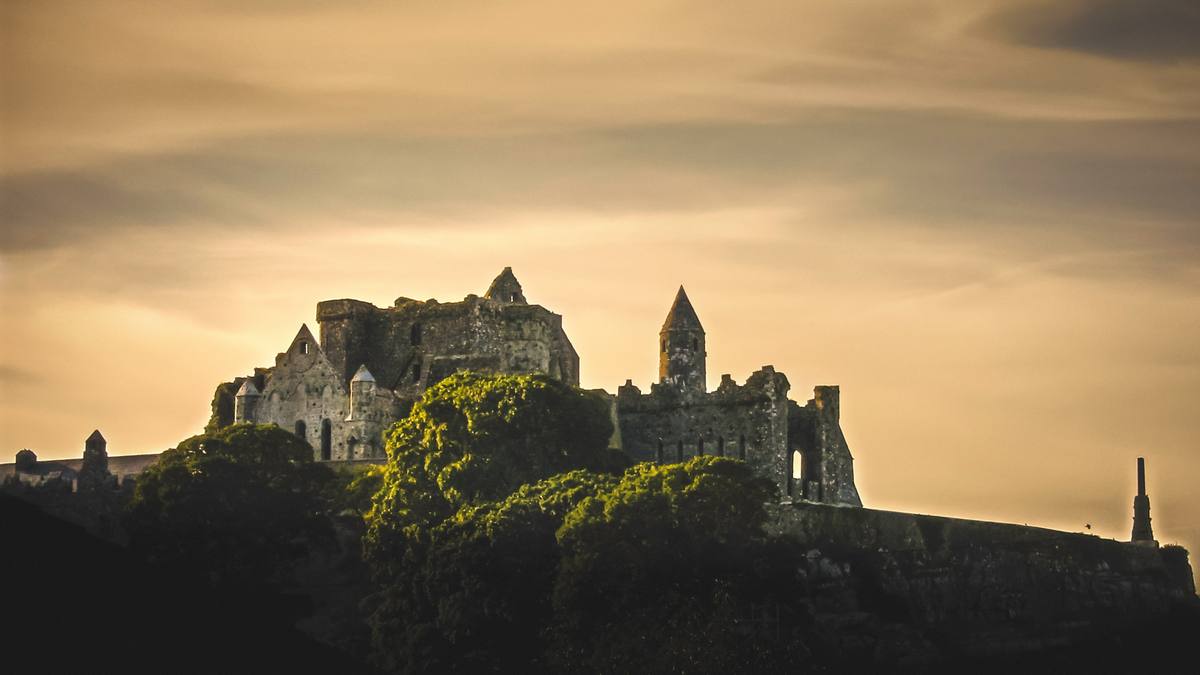
The Rock of Cashel stands over the Golden Vale, and the Suir runs through castle towns below it. Ireland's largest inland county also reaches Lough Derg in the north.
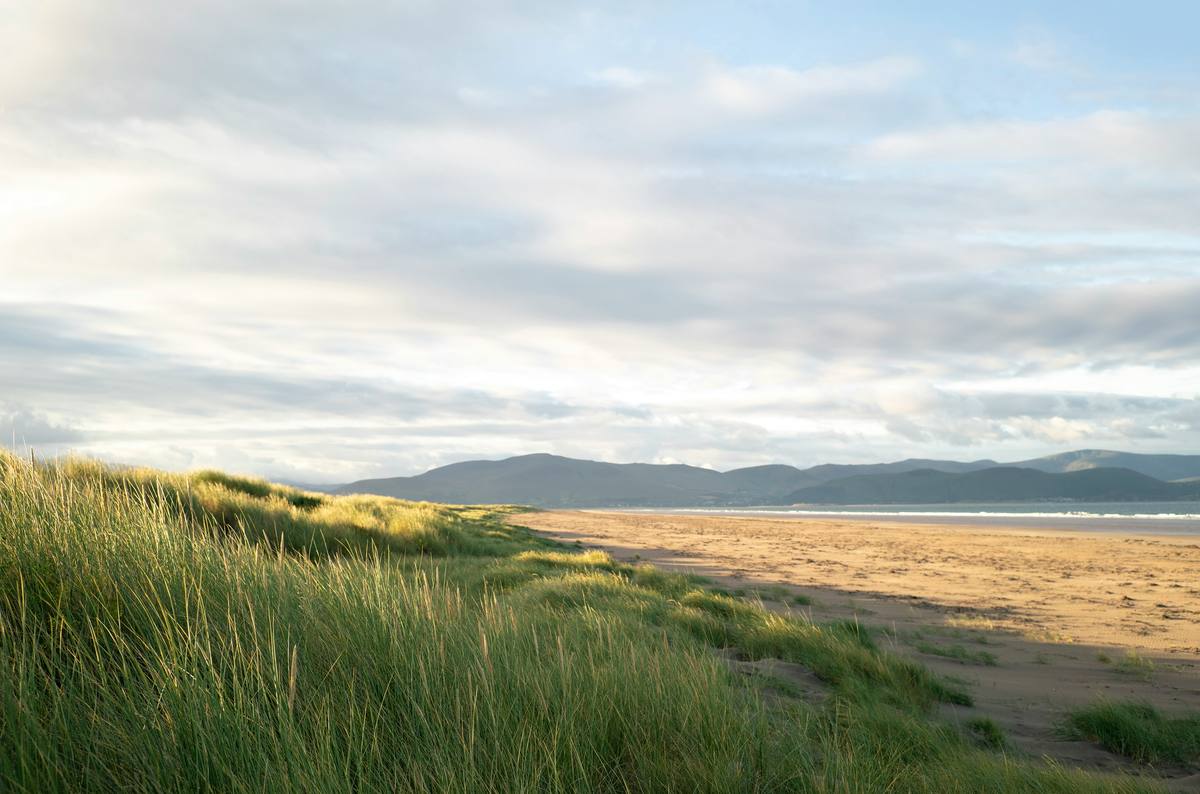
Ireland's oldest city holds the Viking Triangle, and the county opens out behind it: the Copper Coast, the Comeraghs and the Greenway to Dungarvan.
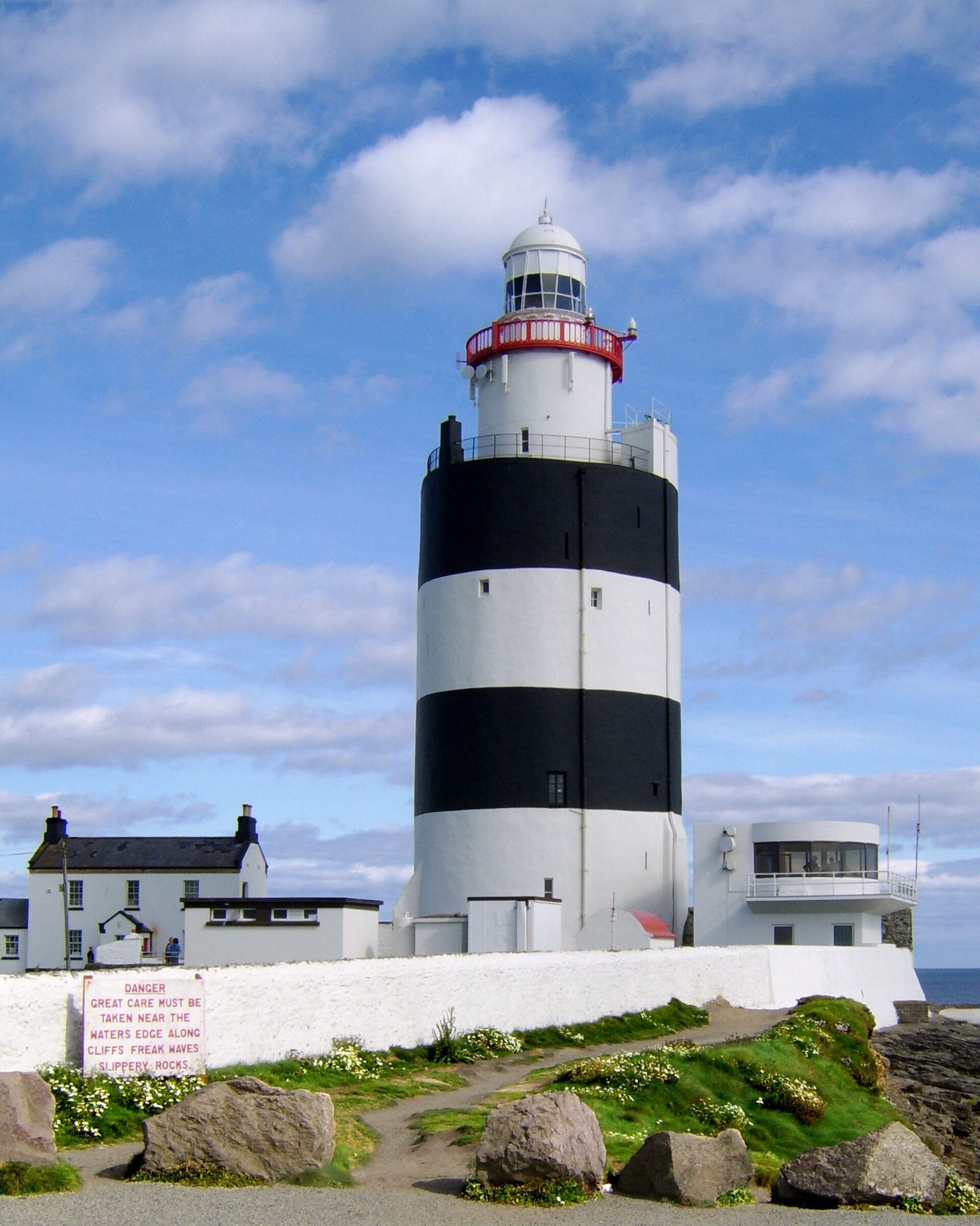
The south-east claims the sunniest weather and the longest sandy beaches: Hook Head's lighthouse, Curracloe's strand and an opera town on the Slaney.
Glendalough, County Wicklow
Day trips from Dublin
If you have one day to get out of Dublin, this is the day we would spend. The coach leaves the city for Kilkenny first, with a guided walk through the medieval streets and free time around the castle grounds. Then it is up into the Wicklow Mountains, past the Wicklow Gap, to Glendalough and its 6th century monastic settlement between the two lakes. The finish is a working sheep farm, where border collies move a flock on whistle commands. Ten hours, free cancellation, from US$49.15 a head, rated 4.9 from more than 8,700 reviews, and the farm stop is the part people write home about.
Best for: First-time visitors with one spare day in Dublin. It is a full ten hours with an early start, and the walking takes in old town streets and uneven monastic ground, so it is not the pick for a slow morning or for limited mobility.
Some links on this page are partner links. If you buy through one, we may earn a commission at no extra cost to you. It helps keep this site free, and we only list places and trips we would choose ourselves.