What to Pack for Ireland: The Kit That Earns Its Place
Season by season, what actually earns its place in the bag for Ireland: the layer system, shoes that grip on wet cobbles, the right plug adapter, and the small kit that saves trips.
Last checked October 2026
The short answer
Pack a layer system, not a wardrobe: breathable base layers, a warm mid layer, and a waterproof shell with a hood. Add shoes that grip on wet stone, a Type G plug adapter for Ireland's three-pin sockets, and a day pack. Then adjust by season: summer needs sun cream as much as rain gear, and winter needs a proper warm layer and a head torch for the short days.
Most people pack for the Ireland in the photographs: green fields under a blue sky. The Ireland that shows up is better than that, but it is wetter, windier and more changeable, and it rewards the traveller who packed for the day as it comes rather than the day as hoped. This page is the season-by-season version of our packing checklist: not just what to bring, but why each piece earns its space, and what to look for when you buy it.
One principle runs through all of it. Ireland's weather rarely sits at an extreme; it moves. Temperatures in most months sit between 5 and 18 degrees, and the rain tends to arrive as showers with clear spells between, not as a week of solid downpour. Layers you can add, shed and dry overnight beat one heavy coat and a bag of jumpers.
The system: layers, a shell, and shoes that grip
Build the bag around three pieces. A base layer that does not hold water: merino wool or a synthetic, not cotton, which stays cold and clammy once it is wet. A mid layer for warmth: a fleece or a light insulated jacket you can wear on its own in a pub garden. And a shell: a waterproof jacket with a hood, taped seams if you can manage it, long enough to cover your hips. If those three are right, most Irish days are comfortable.
Shoes matter more here than in most countries. Dublin's Temple Bar is cobbled, Galway's Shop Street is polished stone, and both are slick when wet. Trail paths cross grass and turf that never quite dry out between October and April. Bring shoes or boots with a treaded sole you have already walked in, and if you plan any real walking, waterproof them or choose waterproof leather. The second pair of shoes in the bag is not a luxury: it is how you stay comfortable while the first pair dries on the radiator.
- Base layers: two or three, merino or synthetic, never cotton next to the skin on a walking day.
- Mid layer: one fleece or light insulated jacket that works on its own.
- Shell: a hooded waterproof jacket, hip length, with room for the mid layer under it.
- Walking shoes or boots: treaded, broken in, waterproof or treated.
- A dry second pair of shoes for evenings and wet-day rotation.
- Trousers that dry fast. Jeans are fine in town and miserable on a wet hillside.
Spring: March to May
Spring is the season of lambs, lengthening evenings and weather that cannot decide. Expect 6 to 13 degrees, showers most weeks, and a wind off the Atlantic that makes the thermometer lie. The full layer system earns its keep now: base, fleece and shell, with a hat and light gloves for exposed headlands like the Cliffs of Moher or the Aran Islands ferry. By May the evenings run long and the shell starts spending afternoons tied around your waist, but bring it anyway. Nothing in Irish spring is more reliable than a fine morning turning.
Summer: June to August
Summer surprises people twice. First with the light: at midsummer it is bright until nearly ten at night, and the west coast gets its best evenings of the year. Then with the temperature: 15 to 20 degrees is a good day, and a heatwave by Irish standards is 25. Pack lighter layers and shorts if you wear them, but keep the shell and one warm layer; an Atlantic beach in a northerly breeze is no place for a t-shirt alone. Add sun cream, because the same wind hides the sun's strength, and a swimsuit if you are brave: the sea is cold all year, around 16 degrees at its warmest, and half the country swims in it anyway.
Autumn: September to November
September is often the best month of the year: settled spells, harvest menus, and the crowds gone. From October the year turns: 8 to 13 degrees, the first Atlantic storms, and ground that stays wet underfoot from here to spring. This is waterproof trousers weather if you are walking any distance, and the season where waterproof boots stop being a preference. Pack a warm hat from October on. The festivals keep coming, Samhain in Derry and the jazz in Cork among them, and most of them involve standing outside after dark.
Winter: December to February
Winter is dark more than it is cold. Temperatures sit between 3 and 8 degrees and snow is rare outside the hills, but at the solstice the sun is gone by about ten past four, which shapes every day. Pack the warmest version of the system: a proper insulated layer under the shell, hat, gloves and scarf, and plan the short days around the light. A small head torch is genuinely useful for country lanes and early starts. The reward is real: empty roads, fires in the pubs, and the west coast at its most dramatic. Dress for standing still in wind, not for a postcard.
The small kit that saves trips
The big pieces get the attention, but trips are saved by the small ones. These are the items we point people to again and again, with what to look for in each. When we settle on specific products we would pack ourselves, they will be listed here with the reasons.
- A money belt or a zipped inside pocket. Ireland is a safe country, but festival crowds and busy city streets are the same everywhere, and your passport deserves better than a back pocket.
- A neck pillow for the flight over. The transatlantic hop is seven hours from the US east coast, and you land in the Irish morning: sleep on the plane is the cheapest jet lag cure there is.
- A Type G plug adapter: Ireland uses the three square pin plug, the same as Britain, at 230 volts. One adapter and a small power strip from home beats a fistful of adapters.
- A portable charger. You will navigate, photograph and look up bus times all day, often in the cold, which drains a phone faster than you expect.
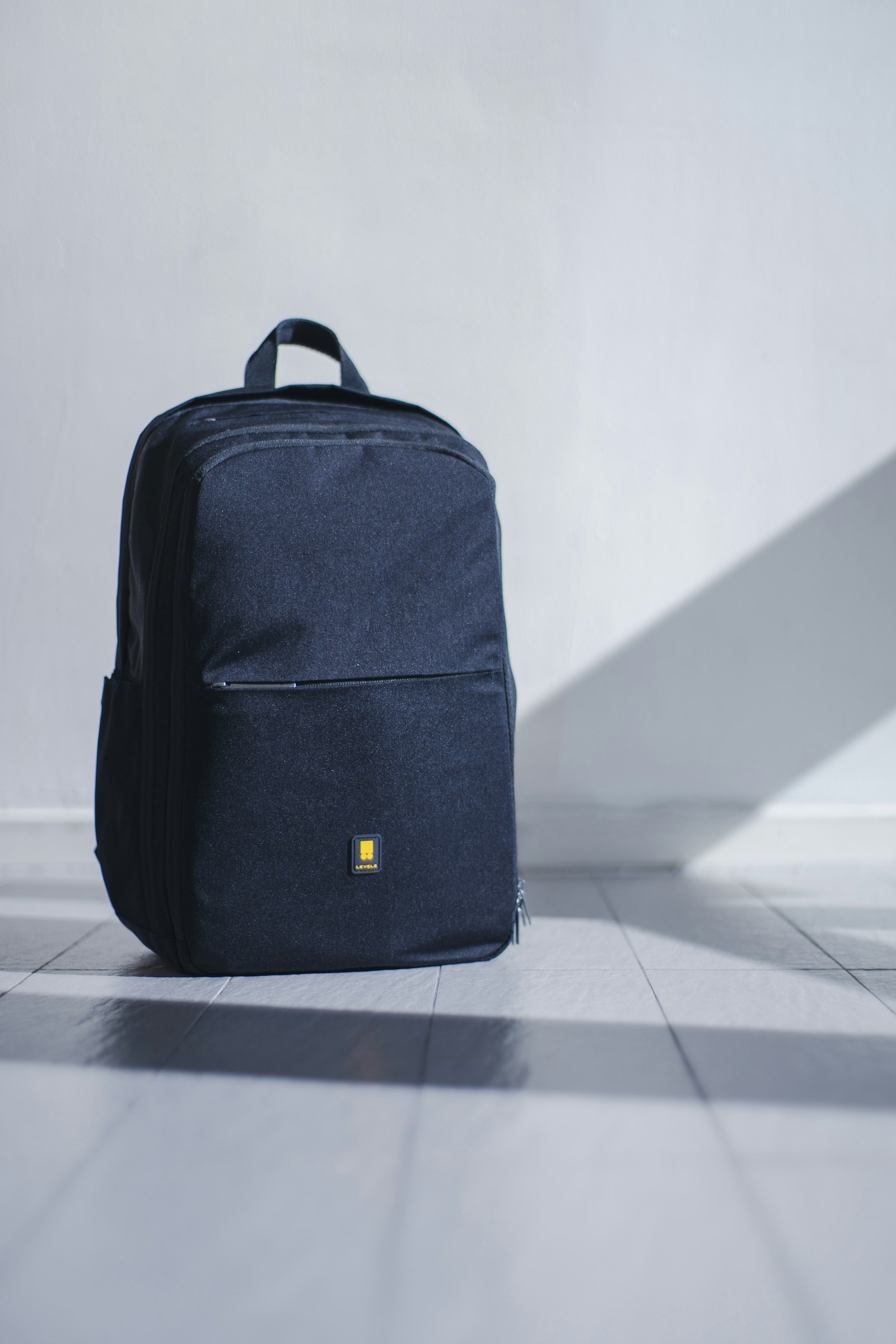
- A day pack that folds or packs flat, big enough for the shell, a water bottle and whatever the market gives you.
- Waterproof shoe covers or a second waterproofing treatment for your walking shoes, if your boots are not waterproof to begin with.
Power, plugs and the hair dryer question
Ireland runs on 230 volts with Type G sockets, the three rectangular pins you will also find in Britain. Phone and laptop chargers from North America are almost always dual voltage and need only the adapter. Anything that makes heat is different: a 120 volt hair dryer, straightener or travel kettle plugged in through a plain adapter will run dangerously hot or burn out. Check the label for 100 to 240 volts before you pack it, or plan to use the one in your accommodation. It is the single most common packing mistake on this route.
What to leave behind
- The umbrella as your main rain plan. Atlantic wind turns umbrellas inside out; the hooded shell does the job better and keeps your hands free.
- A big hard-shell suitcase if you are touring by car. Irish B&Bs have stairs, country roads have boots to load, and a soft bag forgives both.
- Formal clothes beyond one outfit. Even the good restaurants in Ireland dress relaxed; smart casual covers nearly everything.
- A full itinerary's worth of books and gadgets. The days fill themselves, and every kilo in the bag is a kilo up a B&B staircase.
For the tick-it-off version of all of this, keep our Ireland packing checklist beside this page when the bag is open. And if you are still choosing when to come, the weather guide sets out the year month by month.
Questions, answered
What plug adapter do I need for Ireland?
Ireland uses Type G plugs, three rectangular pins, the same as in Britain, on a 230 volt supply. Bring Type G adapters for your chargers. Most phone and laptop chargers are dual voltage and work fine; North American hair dryers and other heat appliances usually are not, and need a voltage converter or should be left at home.
Do I need waterproof trousers for Ireland?
For city trips, no: a hip-length waterproof jacket and shoes that grip will see you through the showers. For walking any distance between October and April, yes: paths stay wet for months, and waterproof overtrousers turn a soggy day into a comfortable one.
How cold does Ireland get in winter?
Milder than most visitors expect: usually 3 to 8 degrees, with snow rare outside the mountains. The real constraint is daylight, under eight hours of it around the solstice, with darkness by about ten past four in late December.