Weather in Ireland: What to Expect
There's no bad weather in Ireland, only the wrong clothes. A month-by-month guide to temperatures, rain and daylight, and what to wear in every season.
What to expect
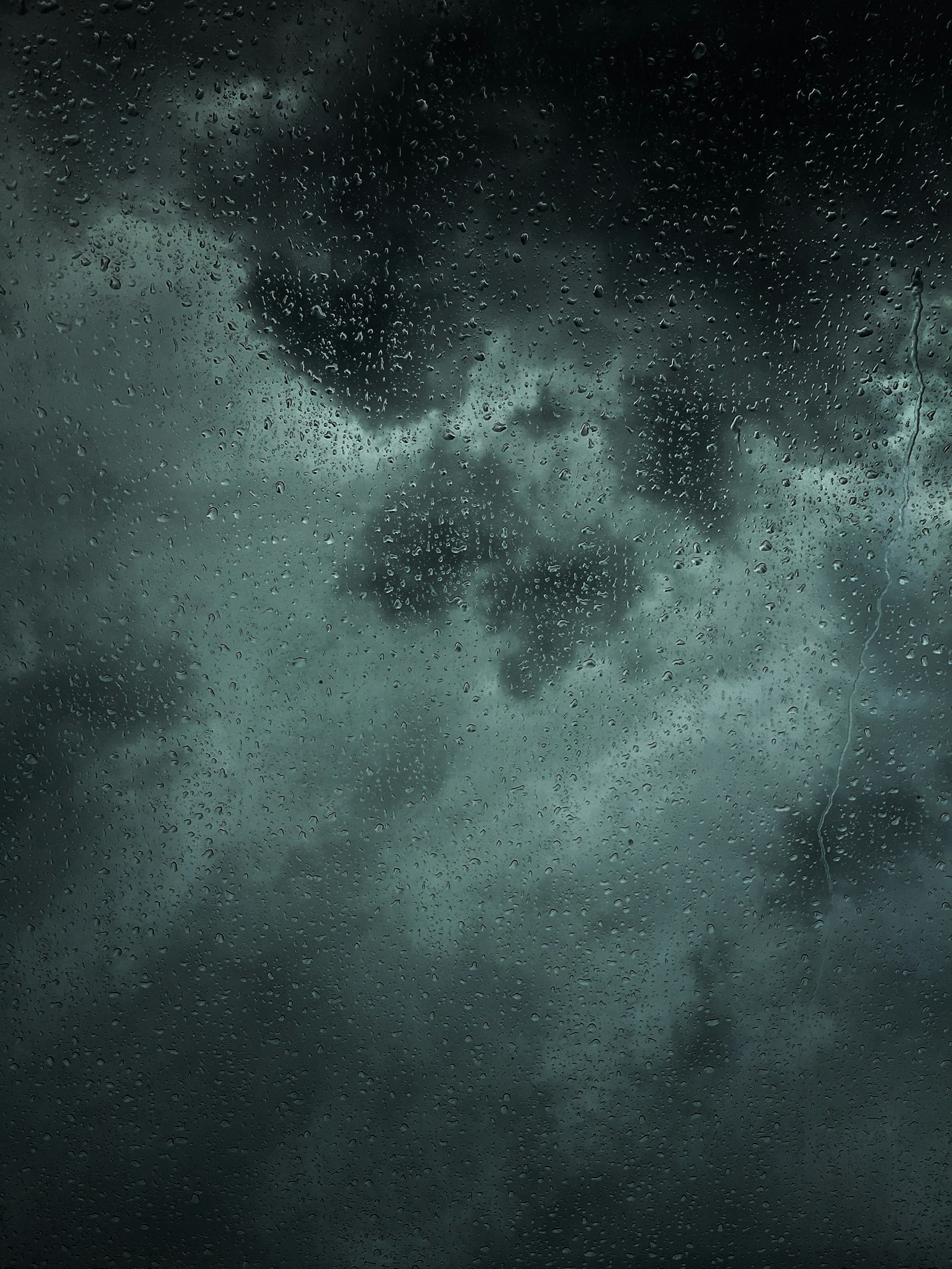
There is an old Irish saying, “There’s no such thing as bad weather, only the wrong clothes.” The rain is not a flaw in an Irish trip; it is a large part of why the place looks the way it does. Temperatures rarely reach extremes in either direction. What you get instead is change: wind, showers and a clear hour, sometimes all before lunch. Pack for all of it and the weather stops being a problem.
The weather is part of the place, from misty mornings to afternoons that end in a cosy pub. However, it’s important to plan accordingly to make the most of your visit. Below is a month-by-month weather guide, along with clothing tips, do’s and don’ts, and fun facts to help you enjoy Ireland in any season.
January: Cold and wet (winter)
Average Temperature: 4°C to 8°C (39°F to 46°F)
Weather: Rainy, chilly, and dark early evenings. Frost is rare but possible.
Clothing Tips: A warm waterproof coat, layers, gloves, and a hat. Waterproof shoes are a must.
Do’s: Visit cosy pubs, visit museums, and enjoy the quieter tourist sites.
Don’ts: Don’t expect much sunshine. This is one of the wettest months.
February: Still cold, but days are getting longer
Average Temperature: 4°C to 9°C (39°F to 48°F)
Weather: Similar to January, but with slightly longer daylight hours.
Clothing Tips: Layer up with sweaters and waterproofs. Windproof jackets are ideal.
Do’s: Experience St. Brigid’s Day (Ireland’s new public holiday).
Don’ts: Don’t underestimate the wind. Bring a good windproof umbrella or hooded jacket.
March: Early signs of spring
Average Temperature: 5°C to 11°C (41°F to 52°F)
Weather: Mix of rain, sunshine, and chilly mornings.
Clothing Tips: Waterproof jacket, warm sweaters, and a scarf for chilly days.
Do’s: Celebrate St. Patrick’s Day (17 March), but dress warmly.
Don’ts: Don’t assume spring means warm weather. It’s still cold.
April: Unpredictable but beautiful
Average Temperature: 6°C to 13°C (43°F to 55°F)
Weather: More sunshine, but still frequent showers.
Clothing Tips: A light jacket, waterproof layers, and comfortable walking shoes.
Do’s: Visit the Cliffs of Moher for amazing (but windy) views.
Don’ts: Don’t forget sunglasses. Irish spring sun is surprisingly bright.
May: Longer days and warmer weather
Average Temperature: 8°C to 16°C (46°F to 61°F)
Weather: Mild, with more dry days, though rain is still common.
Clothing Tips: Light layers, a rain jacket, and comfortable shoes for outdoors.
Do’s: Take a scenic drive along the Ring of Kerry.
Don’ts: Don’t assume there won’t be rain. An umbrella is still handy.
June: Officially summer
Average Temperature: 11°C to 19°C (52°F to 66°F)
Weather: One of the driest months, but still unpredictable.
Clothing Tips: T-shirts, light sweaters, and a rain jacket for sudden showers.
Do’s: Experience the longest days of the year with daylight until 11 PM.
Don’ts: Don’t forget sunscreen. The Irish sun can be strong on clear days.
July: Warmest month (but still Irish)
Average Temperature: 13°C to 21°C (55°F to 70°F)
Weather: Mild to warm, with occasional heatwaves (yes, really).
Clothing Tips: Light layers, sunglasses, and a light raincoat.
Do’s: Take a ferry to the Aran Islands for a sunny day trip.
Don’ts: Don’t expect Mediterranean heat. Ireland’s summer is still mild.
August: Another mild summer month
Average Temperature: 12°C to 20°C (54°F to 68°F)
Weather: Mostly dry, but rain showers are still common.
Clothing Tips: Similar to July: light layers, waterproof jacket, and sunglasses.
Do’s: Enjoy outdoor festivals, hikes, and sea swimming.
Don’ts: Don’t forget a windproof jacket. Coastal areas can be breezy.
September: Start of autumn
Average Temperature: 10°C to 17°C (50°F to 63°F)
Weather: Cooler, but still decent weather for getting out.
Clothing Tips: Layer up with a sweater, light coat, and waterproofs.
Do’s: Visit Cobh and Cork for heritage and history.
Don’ts: Don’t expect summer temperatures. Autumn sets in quickly.
October: Autumn in full swing
Average Temperature: 8°C to 14°C (46°F to 57°F)
Weather: Windy and wet, with golden autumn leaves.
Clothing Tips: Warm coats, scarves, and boots.
Do’s: Celebrate Samhain (Halloween), an Irish tradition.
Don’ts: Don’t forget gloves and a hat for chillier evenings.
November: The rain returns
Average Temperature: 5°C to 11°C (41°F to 52°F)
Weather: More rain, shorter days, and colder nights.
Clothing Tips: Heavy coats, waterproof boots, and warm layers.
Do’s: Visit Dublin’s pubs for live music and cosy evenings.
Don’ts: Don’t expect much daylight. Sunset happens around 4:30 PM.
December: A festive, cosy month
Average Temperature: 3°C to 9°C (37°F to 48°F)
Weather: Cold, wet, and festive. Christmas lights make cities magical.
Clothing Tips: Heavy jackets, hats, and gloves.
Do’s: Experience the Christmas markets and winter festivals.
Don’ts: Don’t expect snow. It’s rare in most parts of Ireland.
Fun Tips for Enjoying Irish Weather
“There’s no such thing as bad weather, only the wrong clothes.”
- Always have a waterproof jacket. Irish rain showers can come out of nowhere.
- Layers are key. You might need a sweater in the morning and a t-shirt by afternoon.
- Don’t trust the forecast too much. It can change within an hour.
- Bring sunglasses and sunscreen. You’ll be surprised how sunny some days are.
- Expect four seasons in one day. Rain, wind, sun, and clouds often rotate quickly.
Irish weather is part of the country. Work with it and enjoy everything Ireland has to offer, rain or shine.
Questions, answered
What is the warmest month in Ireland?
July is the warmest month, with average temperatures of 13°C to 21°C (55°F to 70°F), though Ireland's summer stays mild rather than hot.
Does it snow in Ireland in winter?
Snow is rare in most parts of Ireland. December averages 3°C to 9°C and is cold, wet and festive rather than snowy.
What should I pack for Irish weather?
Layers and waterproofs are key: a waterproof jacket and shoes, warm layers for winter, and sunglasses and sunscreen in summer, when daylight can last until 11 PM in June.