Money and Tipping in Ireland
Euros in the Republic, pounds in Northern Ireland, cards and contactless almost everywhere, and tipping customs that are appreciated but never demanded.
Two Currencies on One Island
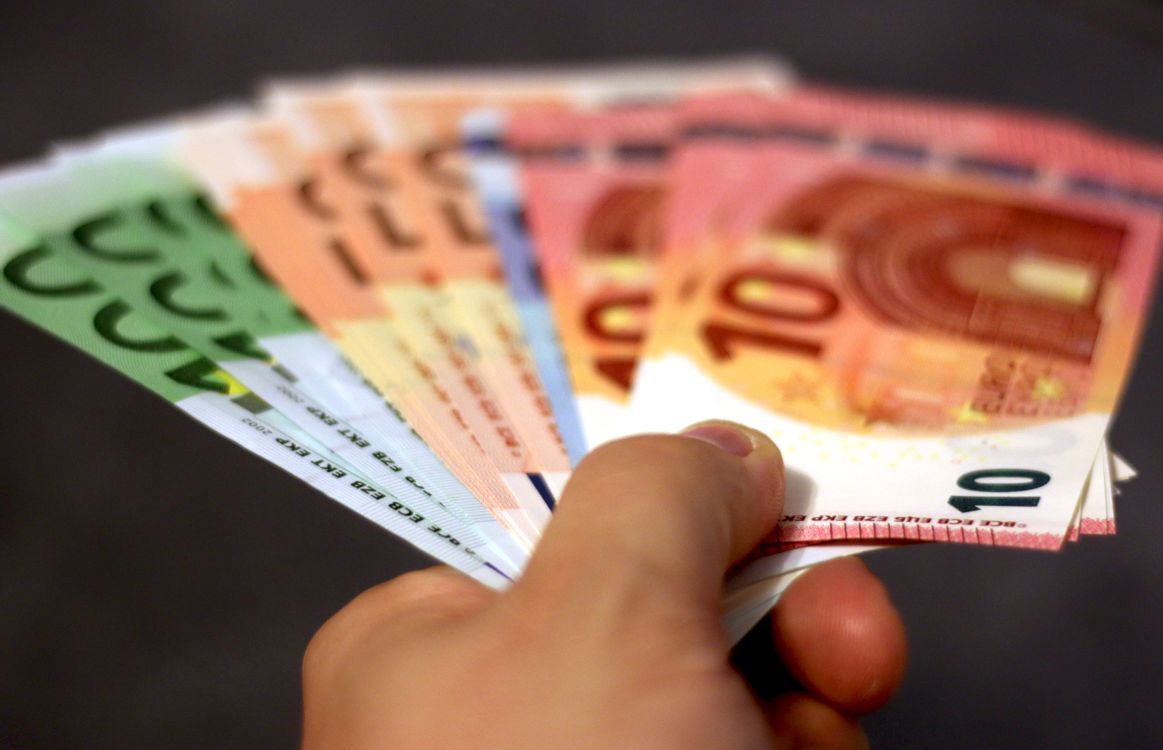
The Republic of Ireland uses the euro (€), the currency shared across much of the European Union. Banknotes come in €5, €10, €20, €50, €100, €200 and €500 denominations, although the largest notes are rarely used in everyday shopping, and coins run from one cent to €2.
Northern Ireland is part of the United Kingdom and uses pounds sterling (£) instead. Euros are not generally accepted there, and sterling is not generally accepted in the Republic, so if your trip crosses the border, for example between Dublin and Belfast, it is worth carrying some of both currencies. The border itself has no checkpoints or currency controls, and you will usually only notice the change when prices switch from euros to pounds and road signs switch from kilometres to miles.
Cards and Contactless Payments
Cards are widely accepted across Ireland. Visa and Mastercard debit and credit cards are taken in most hotels, restaurants, shops, pubs and attractions, and contactless payments (tapping a card or phone) are the everyday norm for smaller purchases, including on Dublin's buses and trams with the right card or a Leap Card.
American Express is accepted in fewer places, particularly outside the cities, so do not rely on it as your only card. A small number of rural businesses, market stalls, taxis and B&Bs still prefer cash, and a handful of country pubs may be cash-only, so carrying a modest amount of euro notes is a sensible habit rather than a necessity.
ATMs and Exchanging Money
ATMs (often signed as cash machines) are easy to find in towns and cities, at bank branches, supermarkets and petrol stations, and usually offer a fair exchange rate when withdrawing euros on a foreign debit card. Using your own bank's card at an ATM is almost always better value than buying currency at an airport bureau.
When an ATM or card terminal offers to convert the transaction into your home currency, you will almost always get a better deal by choosing to be charged in euros and letting your own bank do the conversion. In smaller villages a single ATM may serve the whole area, so it is worth topping up cash in larger towns if you are heading somewhere remote.
Tipping in Restaurants
Tipping in Ireland is appreciated but not obligatory, and service staff do not depend on tips in the way they do in the United States. In restaurants, leaving around 10% for good service is a well-established custom when no service charge has been added. Check the bill first, as some restaurants, particularly for larger groups, add a service charge automatically, in which case no further tip is expected.
In cafés and for casual meals, rounding up the bill or leaving the small change is a common and perfectly polite gesture. Tips are usually left in cash even when the bill itself is paid by card, so staff receive them directly.
Tipping in Pubs, Taxis and Hotels
In pubs, tipping for drinks at the bar is not expected. A long-standing Irish custom, if you have had especially good service or are buying a round for the bar staff, is to say 'and one for yourself' when ordering. The barperson will charge you for an extra drink for themselves. It is a friendly gesture, never an obligation.
For taxis, rounding the fare up to the nearest euro or two is customary and appreciated. Hotel porters who carry your bags are usually thanked with a euro or two, and leaving a small amount for housekeeping at the end of a stay is a kind touch. Tour guides are often tipped a few euro per person when the tour has been good, at your discretion.
Questions, answered
What currency does Ireland use?
The Republic of Ireland uses the euro (€). Northern Ireland, as part of the United Kingdom, uses pounds sterling (£), so carry both if you are crossing the border.
Can I pay by card in Ireland?
Yes. Credit and debit cards and contactless payments are widely accepted in towns and cities across Ireland, though it is wise to carry some cash for small rural businesses and buses.
How much should I tip in Ireland?
Tipping is appreciated but not obligatory. Around 10% in a restaurant is customary when service is not already included, and rounding up a taxi fare is a kind gesture.