Wildlife Watching in Ireland
Where to watch Ireland's wildlife, from seabirds and dolphins to red deer and seals, with the habitats, seasons and quiet places that reward patient watchers.
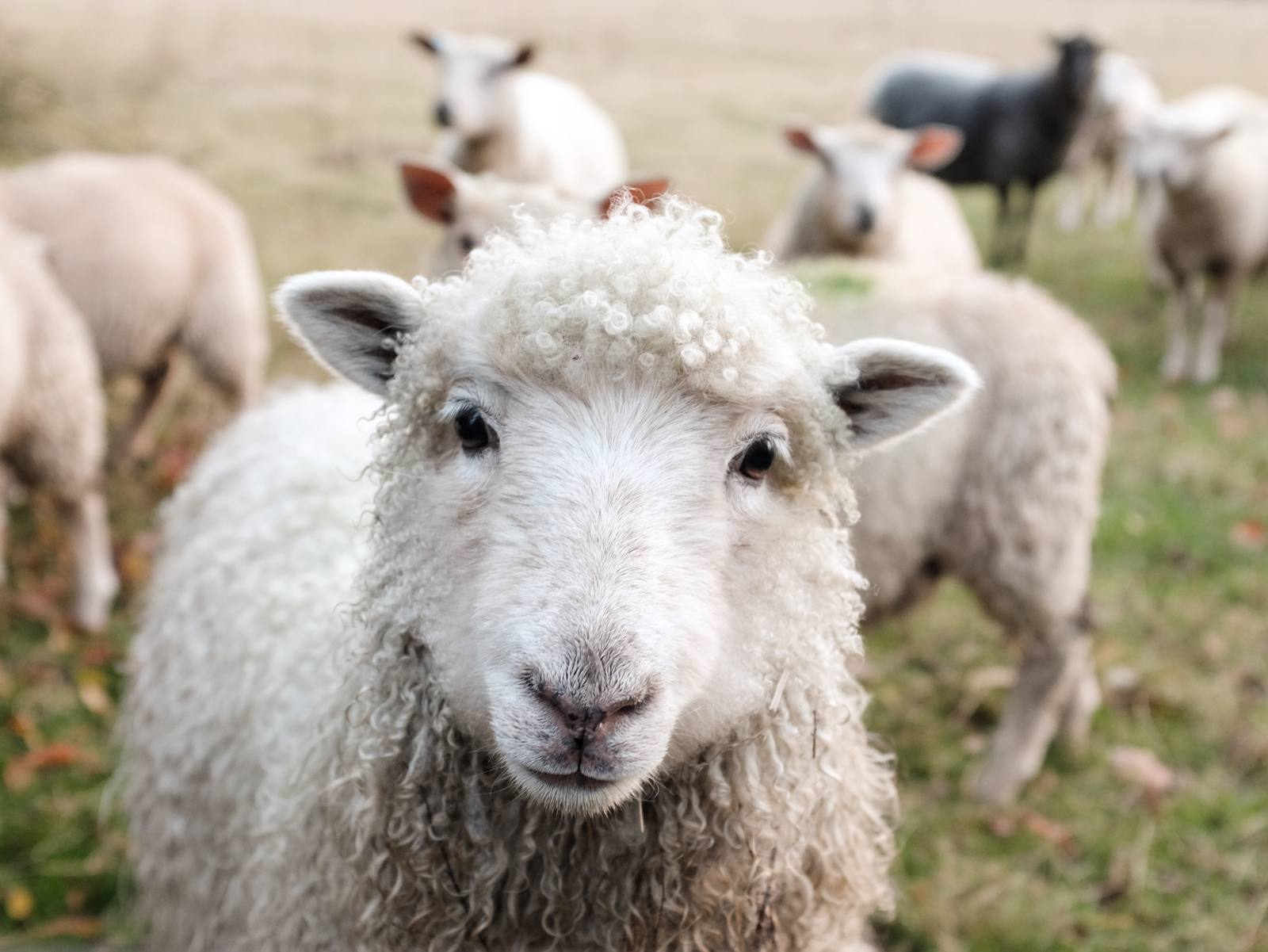
When it comes to travel, few destinations can rival the charm and beauty of Ireland. This island is not only rich in Irish culture and history. It also has a remarkable variety of wildlife. From birds soaring over rugged cliffs to seals basking on the shores, wildlife watching in Ireland offers a memorable experience for nature lovers. This guide will highlight some of the best locations and species to improve your trip through Ireland.
The Best Locations for Wildlife Watching in Ireland
Seeing Ireland's diverse landscapes is not just a visual treat. It is also a gateway to observe wildlife. Below are some of the top locations to consider when planning your next trip:
- 1. The Cliffs of Moher: The cliffs not only offer views but also serve as a crucial nesting site for seabirds, including puffins, razorbills and guillemots. The visitor centre provides informative displays that look into the seabirds' history and ecology.
- 2. Killarney National Park: This park is a haven for wildlife and is home to red deer, Ireland’s only native deer species. Take a leisurely walk or hike the various trails; you might spot a majestic stag or catch a glimpse of the rare white-tailed eagle gliding overhead.
- 3. The Burren: A UNESCO Global Geopark, the Burren is known for its unique karst landscape. Its diverse habitats are home to an abundance of flora and fauna. Look out for wild goats, and if you’re lucky, you might catch sight of the elusive badger.
- 4. Connemara National Park: With mountain ranges, bogs and coastal landscapes, Connemara offers an incredible variety of wildlife. The park is well-known for its population of Connemara ponies, and bird watchers will enjoy spotting various seabirds along the coastline.
- 5. Donegal's Wildlife: The remote beauty of County Donegal presents an unspoiled landscape perfect for wildlife watching. Head to Slieve League Cliffs, a lesser-known alternative to the Cliffs of Moher, where you can see seabirds and, occasionally, dolphins swimming off the coast.
Bird Watching in Ireland: A Feathered Paradise
Bird watching is one of the most rewarding aspects of wildlife watching in Ireland. Experienced birder or casual observer, the island is rich in bird species that will hold your attention. Here are some noteworthy birds to keep an eye out for:
- Puffins: Famous for their colorful beaks and charming look, puffins can be seen nesting along Ireland's coastal cliffs, particularly during the summer months. The best time to see them is between April and July.
- White-tailed Eagles: Once extinct in Ireland, these majestic birds of prey were successfully reintroduced. You can find them in places like Killarney National Park and along the west coast. Their wingspan can reach up to 8 feet, making them a sight worth stopping for.
- Kestrels: Smaller but equally enchanting, kestrels can be spotted hovering over fields and country roads. Their ability to stay suspended in the air as they hunt makes them a thrilling sight for bird watchers.
- Choughs: These striking black birds with bright red beaks and legs are often seen along the rocky coasts of Ireland. They can be identified easily by their distinctive calls and charismatic personality.
Marine Life: The Coastal Treasures of Ireland
Ireland’s coastline is teeming with life beneath the waves. If you are a fan of marine wildlife, consider taking a boat trip to see the biodiversity of the Irish seas. Some notable species you might encounter include:
- Seals: Both common and gray seals can be observed basking on rocks along the coast. Head to the Blasket Islands for one of the best spots to see these adorable marine mammals in their natural habitat.
- Dolphins: Dolphin watching in Ireland's waters is a thrill in itself. The Shannon Estuary is known for its resident pod of bottlenose dolphins, a sight to behold.
- Whales: The Irish coastline is a migratory route for many whale species, including humpbacks, minke, and even the mighty orca. Consider joining a whale watching tour to increase your chances of spotting these magnificent creatures.
Land Animals: Discovering Ireland's Terrestrial Wildlife
While many travellers come to Ireland for its scenery and Irish history, the island is also home to fascinating land wildlife. Here are some of the creatures that call Ireland home:
- Red Deer: You may not encounter these majestic creatures in every corner of Ireland, but they are primarily found in Killarney National Park. The stags are particularly impressive during rutting season in the autumn when their antlers are fully adorned.
- Irish Hare: Endemic to Ireland, this species of hare has been around since prehistoric times. Spotting an Irish hare as it nibbles on grass or bounds through fields can be an exhilarating addition to your wildlife watching adventure.
- Badgers: These nocturnal creatures are mostly active at night, making them a rare sight during the day. If you are lucky enough, you might catch a glimpse of them foraging under the cover of dusk.
Timing Your Wildlife Watching Adventure
The timing of your wildlife watching adventure can significantly impact your experience. Here are some tips on when to visit for the best chances of seeing specific animals:
- Spring (March to May): This is an excellent time for bird migration, making it perfect for bird watching enthusiasts. Puffins return to nest along the cliffs, and many mammals are more active as they emerge from winter hibernation.
- Summer (June to August): The longer days and warmer weather attract tourists and wildlife alike. Seals and seabirds are commonly seen on the coast, while the National Parks are busy with life.
- Autumn (September to November): As the leaves change, many animals are preparing for winter. This is an ideal time to spot red deer during rutting season and migratory birds on their way south.
- Winter (December to February): While colder, winter offers a different kind of beauty. You may catch rare glimpses of wildlife hidden in the frost, and seal pups can often be seen on the shores.
Tips for a Successful Wildlife Watching Experience
To make the most of your wildlife watching experience in Ireland, consider these helpful tips:
- Be Patient: Wildlife can be unpredictable. Sometimes, the longer you wait, the more likely you are to see something extraordinary.
- Stay Quiet: Keep noise to a minimum to avoid scaring away wildlife. This allows you to listen to the natural sounds of the environment.
- Respect Nature: Always maintain a safe distance from wildlife and avoid disturbing their habitats. Use binoculars for a closer look instead.
- Dress Appropriately: Ireland's weather is notoriously changeable, so dress in layers, bring a waterproof jacket, and wear comfortable walking shoes.
- Join a Guided Tour: If you're unsure where to go or what to look for, consider joining a guided wildlife tour. Local experts offer valuable insights and increase your chances of spotting rare species.
Embrace the Adventure of Wildlife Watching in Ireland
In wrapping up, watching Ireland's wildlife allows travellers to connect with nature and take in the island's natural beauty. With its landscapes, diverse ecosystems and abundant wildlife, Ireland is a place waiting to be discovered. Drawn to the cliffs, the forests or the shores, your time in Ireland promises real encounters with nature.
So, pack your binoculars, put on your hiking boots, and set off to witness the wildlife that makes Ireland so special. Get ready to create memories that last as you get to know the world of Irish wildlife.
Questions, answered
What are the best locations for wildlife watching in Ireland?
Some of the best locations include the Cliffs of Moher, Killarney National Park, The Burren, Connemara National Park, and Donegal's Wildlife.
What wildlife can I expect to see in Ireland?
You can see a variety of wildlife, including seabirds like puffins and white-tailed eagles, marine life such as seals and dolphins, and terrestrial animals like red deer and badgers.
When is the best time to go wildlife watching in Ireland?
Spring is great for bird migration, summer offers active wildlife, autumn is ideal for spotting red deer during rutting season, and winter can provide glimpses of rarer wildlife.