Planning a Wild Atlantic Way Road Trip
Plan a Wild Atlantic Way road trip along 2,500 km of Ireland's west coast, with itinerary tips, landmarks, pub stops, safety advice and the best times to go.
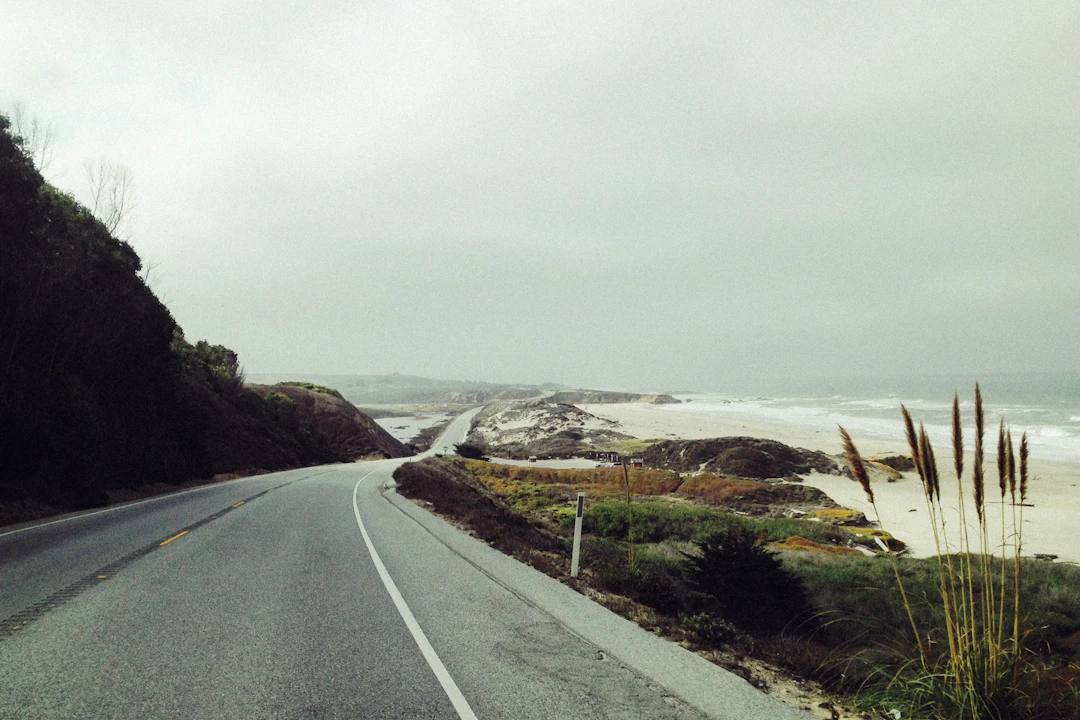
The Wild Atlantic Way in Ireland is one of the finest coastal routes in the world, offering views, Irish culture and travel experiences waiting to be discovered. Stretching over 2,500 kilometres along the western coast of Ireland, this route takes you through towns, rugged cliffs and landscapes, all with a long history behind them. Travelling solo or with family, planning a road trip along the Wild Atlantic Way promises good stops and surprises at every turn.
Why the Wild Atlantic Way?
The Wild Atlantic Way is more than just a scenic drive; it is an experience that encapsulates the true essence of Ireland. The route is dotted with landmarks and historical sites, making it a route worth driving for anyone looking to get into the heart of Irish culture and natural beauty. Here are a few reasons to consider this road trip:
- Landscapes: The ever-changing scenery along the coast, from the rugged Cliffs of Moher to the beaches of Donegal, provides countless opportunities for photographs.
- Rich Irish History: Each stop along the way holds stories of ancient clans, folklore, and traditions that define Ireland’s cultural heritage.
- Local Culture: Experience the warmth and hospitality of the Irish people in small towns, local pubs and community events.
- Outdoor Activities: From surfing and hiking to cycling and even whale watching, there is something for every outdoor enthusiast along this coastal route.
Planning Your Itinerary
Before hitting the road, careful planning is essential to ensure you make the most of your trip along the Wild Atlantic Way. Here is how to create an itinerary that captures this route:
1. Choose Your Starting Point
The Wild Atlantic Way begins in the city of Cork and sweeps north to Derry. Depending on your preferences, you might want to start from either end. Cork is a bustling city known for its food scene and lively atmosphere, while Derry offers a rich historical context with its well-preserved city walls.
2. Map Out Your Stops
To maximize your road trip experience, select key stops that highlight the best of Ireland’s coastal beauty and history:
- Cork City: Get into the heart of Irish culture by visiting well-known sites like the English Market and St. Patrick's Street.
- Cliffs of Moher: A natural wonder that rises 702 feet above the Atlantic Ocean, providing wide views.
- Galway: Known for its arts scene, Galway is a good place to experience traditional Irish music and festivals.
- Connemara: Renowned for its wild beauty and dramatic landscapes, Connemara is home to scenic lakes and rugged mountains.
- Donegal: Experience the Slieve League cliffs, which are higher than the Cliffs of Moher and offer views out over the Atlantic.
3. Allocate Enough Time
While the entire Wild Atlantic Way can be driven in a week, taking your time (10-14 days) allows you to soak in the beauty, meet locals and find the quieter places. Each town has its unique charm and offers experiences that you don’t want to rush.
Landmarks Along the Way
Your drive down the Wild Atlantic Way is incomplete without visiting some Irish landmarks that tell the story of the country's history.
The Ring of Kerry
The Ring of Kerry is one of the most famous scenic drives in the world. A circular route, it brings you through some of Ireland's finest landscapes while revealing its rich history. Look at the ancient stone forts and coastal towns, and the views offered at Muckross House and Gardens.
Skellig Michael
This UNESCO World Heritage Site is a distinctive silhouette off the coast of County Kerry. Historically inhabited by monks, it is known for its stone beehive huts and is well worth a boat trip for those looking to learn Irish history.
Historic Sites of Derry
The city of Derry, with its preserved 17th-century walls, offers a glimpse into Ireland’s past struggles and victories. Be sure to walk the city walls and visit the Museum of Free Derry to understand the complexities of Irish history and the significance of the events that shaped the nation.
Experiencing Irish Hospitality
Your road trip would not be complete without getting to know local culture through food and hospitality. No matter where you stop, you'll definitely want to indulge in some traditional Irish dishes alongside the friendly banter of the locals.
Local Pubs and Live Music
Stop at a local pub in towns like Dingle or Galway to enjoy a hearty Irish stew or fish and chips while listening to traditional Celtic music. The liveliness of Irish pubs reflects the warmth of the Irish spirit, making for memorable evenings.
Shopping for Handmade Goods
Support local artisans by purchasing handmade crafts, jewelry, and art. From Claddagh rings in Galway to woolen goods in Killarney, you can find unique items that embody the essence of Irish culture.
The Best Time to Travel
Knowing when to travel can enhance your experience while travelling the Wild Atlantic Way. The ideal time is generally late spring (April to June) or early fall (September to October) when climate conditions are mild, and crowds are less overwhelming. Be prepared for typical Irish weather and pack layers.
Safety and Road Conditions
Driving in Ireland is generally safe but be aware that rural roads can be narrow and winding. Here are a few tips to ensure a smoother drive:
- Drive on the Left: Remember that in Ireland, you drive on the left-hand side of the road.
- Watch for Wildlife: Be cautious of animals crossing the road, especially in more rural areas.
- Check Weather Conditions: Irish weather can change rapidly, so always check forecasts ahead before departing each day.
Capture Your Trip
Your road trip along the Wild Atlantic Way will undoubtedly give you numerous moments worth capturing. Remember to take plenty of photos to document your adventure. Use social media to share your trip, tag #StPatricks, and connect with fellow travellers or locals.
Off the Beaten Path
While the major attractions along the Wild Atlantic Way are often sought after, be sure to venture off the beaten path and discover the quieter places. Quaint villages, less-known coastal views, and unmarked hiking trails offer solitude and a chance to connect with nature away from the crowds.
Wild Atlantic Way Drive
As you drive along the scenic route, you will be welcomed by small signposts guiding you to off-the-beaten-path trails or local attractions. Don’t hesitate to deviate from your planned route; sometimes the most memorable experiences are found when you stray from your itinerary. Listen to the local tales, folklore, and traditions from the Irish people you meet along the way.
What to Pack for Your Road Trip
To be fully prepared for your trip across the Wild Atlantic Way, pack wisely. Here’s a list of essentials that every traveller should bring:
- Comfortable Clothing: Layering is key due to unpredictable weather. Consider packing waterproof jackets.
- Hiking Boots: Invest in comfortable walking shoes for outdoor excursions along rugged trails.
- Camera: Capture the coastal scenery and local culture.
- Portable Charger: Ensure your devices stay charged, especially if you're using them for navigation or photography.
Finishing the Drive
As you plan your road trip across the Wild Atlantic Way, remember that every twist and turn on this magnificent route holds a story waiting to be discovered. With its coastal landscapes, long history, and good food, this is more than a drive. It is a chance to connect with the culture and the people you meet along the way. Take the route in stages, stop often, and give the coast the time it asks for.
Questions, answered
What is the Wild Atlantic Way?
The Wild Atlantic Way is a scenic coastal route in Ireland that stretches over 2,500 kilometres along the western coast, offering Atlantic views, historic towns, and various travel experiences.
What are some highlights to include in my itinerary for the Wild Atlantic Way?
Some highlights include Cork City, the Cliffs of Moher, Galway, Connemara, and Donegal, with each destination offering unique beauty and historical significance.
What outdoor activities can I enjoy along the Wild Atlantic Way?
There are numerous outdoor activities available including surfing, hiking, cycling, and whale watching, catering to all levels of outdoor enthusiasts.