Experience Irish Traditions Like a Local
Experience Irish traditions like a local, from St Patrick's Day and traditional music to folklore, festivals and the warmth of genuine Irish hospitality.
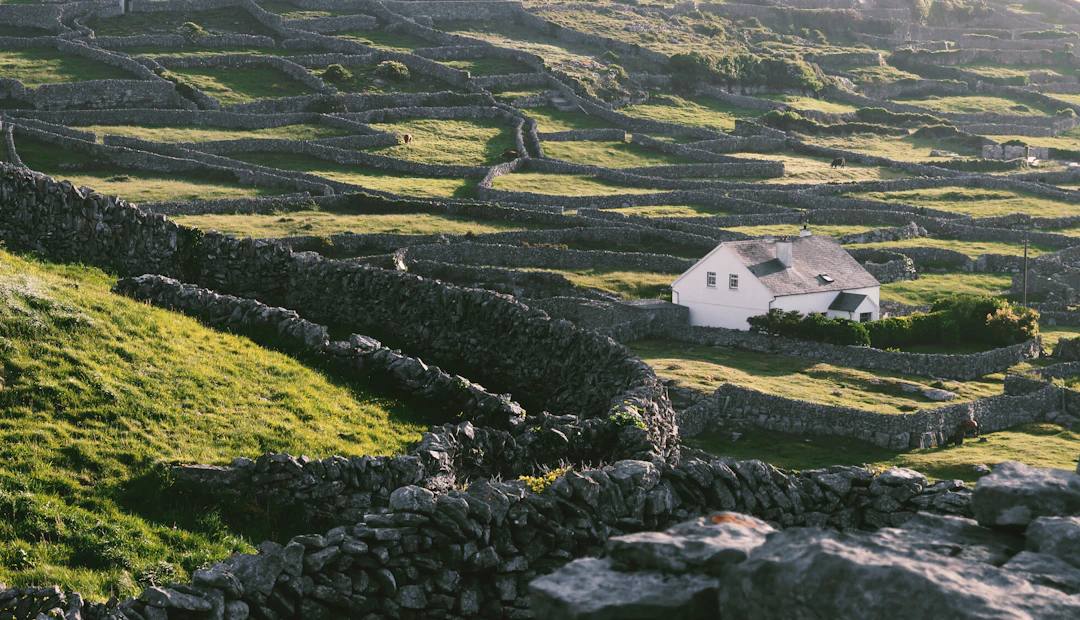
Travel to Ireland, and you’ll step into a world where history meets living traditions, carried by the sounds of music and the warmth of hospitality. Each corner of Ireland offers a glimpse into the lives and stories of the Irish people. If you're keen to experience Irish traditions, there is plenty here to work with. From the lively festivities of St. Patrick’s Day to autumnal harvest gatherings, the experiences you’ll have draw on centuries of heritage. Let us guide you through the traditions worth seeing and how to take part in Irish culture.
1. Embrace the Spirit of St. Patrick’s Day
No conversation about Irish traditions would be complete without mentioning St. Patrick’s Day. Celebrated annually on March 17th, this national holiday commemorates Ireland’s patron saint and brings the country to life with excitement. To truly experience this tradition:
- Join a Parade: Cities across Ireland, especially Dublin, come alive with parades featuring floats, dancers, musicians, and, of course, the colour green. The energy is palpable as crowds gather to celebrate.
- Participate in Traditional Music: Attend a local session in a pub, where musicians gather to play traditional Irish music. You might hear lively jigs and reels, and you won’t be able to resist tapping your feet.
- Indulge in Irish Cuisine: Taste the flavors of Ireland with classic dishes like Irish stew or soda bread. Many restaurants offer special menus for St. Patrick's Day, showcasing the best of Irish culinary heritage.
2. Discover the Rich History
To experience authentic Irish traditions, one must dive into the fascinating history. From ancient Celtic rituals to modern-day celebrations, taking the time to understand the story behind these practices is enlightening. Here are some historical experiences to consider:
- Visit Historic Sites: Visit ancient castles, monasteries, and ruins. Places like Newgrange and the Rock of Cashel offer insights into Ireland's prehistoric and medieval history.
- Participate in Traditional Festivals: Festivals such as the Puck Fair or the Galway International Arts Festival showcase ancient customs interwoven with contemporary art and entertainment.
- Engage with Local Historians: Many towns offer walking tours led by knowledgeable guides who can share stories and anecdotes about local traditions and historical events that shaped the community.
3. Experience Traditional Irish Music and Dance
No travel experience in Ireland is complete without indulging in the captivating sounds of traditional Irish music and dance. Music is at the heart of Irish culture, and options to experience it are abundant:
- Attend a Ceili: A traditional Irish dance gathering, the ceili is a fantastic way to engage with locals and enjoy the lively atmosphere. Don’t worry if you don’t know the steps. There is usually someone willing to guide you.
- Listen Live: Many pubs regularly host live music nights, showcasing folk bands and solo musicians. Enjoy the ambiance while savoring a pint of Guinness or Irish whiskey.
- Learn an Instrument: If you have time, consider enrolling in a local music class. Learning to play the tin whistle or the bodhrán (Irish drum) helps deepen your appreciation for this beautiful art form.
4. The Land and its Folklore
The verdant landscapes of Ireland provide a backdrop rich with folkloric tales and traditions that reflect the spirit of the land. Here’s how to dive into the enchanting folklore of Ireland:
- Visit Fairy Forts and Ancient Sites: Visit the many fairy forts (raths) that dot the countryside. Legend has it that these are the dwelling places of fairies, a significant aspect of Irish folklore.
- Participate in Ghost Tours: Cities like Dublin and Limerick offer ghost tours, revealing spooky stories and ancient legends tied to local history, perfect for those who enjoy a thrilling story.
- Read Irish Literature: Read the works of Irish authors like W.B. Yeats, James Joyce, and Seamus Heaney to understand the culture’s literary tradition and its connection to the Irish landscape.
5. Savor the Irish Celtic Spirit
While visiting the cities and towns, take time to appreciate the Celtic heritage that runs throughout the nation:
- Learn about Celtic Symbols: Visit sites dedicated to Celtic art, like the Hill of Tara, where you can admire intricate stone carvings and learn about their meanings.
- Attend a Gaelic Language Class: While English is widely spoken, Irish (Gaeilge) is celebrated as the first language. Engaging in a basic class can enrich your experience and connect you more deeply with the local culture.
- Support Local Crafts: Spend time at craft markets and shops dedicated to traditional Irish crafts, such as knitting hand-woven woolens or creating intricate jewelry, giving you a piece of Ireland to take home.
6. Participate in Local Celebrations
Every season brings its unique Irish traditions worth experiencing. Here are a few highlights:
- Harvest Festivals: Visiting during the fall? Don’t miss out on events like the Dingle Food Festival or the Kinsale Gourmet Festival, where local farmers and artisans showcase their produce and gourmet offerings.
- Celtic Connections: Celebrated in January, this Glasgow festival of Celtic music offers performances and shows reflecting traditional and contemporary music from various Celtic nations, including Ireland.
- Créadha Thiar This: For the truly adventurous, engage in unique celebrations like the annual tradition of whale watching in County Mayo, accompanied by local folklore about mermaids and sea creatures.
7. Unwind with Irish Hospitality
Irish hospitality is famously warm and welcoming, making it a crucial part of getting into the culture. Here’s how to experience traditional Irish welcoming:
- Stay in a Bed and Breakfast: Opt for a cosy B&B rather than a hotel to experience genuine Irish warmth and personalised service. Many hosts share stories and local insights that enhance your stay.
- Engage in Conversation: Strike up conversations with locals in pubs or shops. The Irish love to share stories and traditions. You might hear good tales about the town or region.
- Join a Local Community Event: Many towns host markets, games, and social nights. Getting involved will allow you to forge connections and truly appreciate the community’s spirit.
8. Document Your Irish Trip
As you set out on your trip, make sure to capture your experiences. This can entail journaling about your travels, taking photos, or even vlogging. Here are a few suggestions:
- Travel Journal: Document your daily activities, insights, and feelings as you follow Irish traditions. It serves not only as a keepsake but as a reflection on your trip.
- Photography: Capture the landscapes, towns, and moments of connection. Consider sharing your photos on social media, with #StPatricks and #IrishTraditions, to connect with others celebrating the same heritage.
- Create a Video Blog: If you’re tech-savvy, create vlogs that encompass your travels and experiences. This can inspire others to follow in your footsteps and further promote Irish culture.
Irish Traditions: A Deeper Connection
Experiencing Irish traditions goes beyond mere observation. It calls for participation, understanding, and connection. By participating in local celebrations, taking in the history, and embracing the warmth of the Irish people, you will create memories with real meaning. Crossing the green hills or dancing at a ceili, the spirit of Ireland will remain with you long after your trip concludes. So pack your bags and plan the trip around the traditions you most want to see. Start with one tradition, one place, and one session in a pub. The rest follows.
Questions, answered
What is the significance of St. Patrick's Day in Ireland?
St. Patrick's Day, celebrated on March 17th, commemorates Ireland’s patron saint and brings the country to life with parades, traditional music, and Irish cuisine.
How can I engage with Irish history during my visit?
You can engage with Irish history by visiting historic sites like castles and monasteries, participating in traditional festivals, and taking walking tours led by local historians.
What are some traditional Irish music experiences I should try?
Attend a Ceili dance gathering, listen to live music in pubs, or enroll in a local music class to learn traditional instruments like the tin whistle or bodhrán.