Irish Music and Dance: A Traveller's Guide
Feel the heartbeat of Irish music and dance: traditional instruments, céilí and step dancing, festivals, pub sessions and workshops where you can join in.
When it comes to rich cultural heritage, few places can compete with Ireland. Irish music and dance are at the heart of this land, with a long history behind them. Planning a trip or simply dreaming of Ireland from afar, start with its music and dance. Let us look at Irish music and dance, and why they repay any traveller’s attention.
The Roots of Irish Music and Dance
Ireland's musical landscape is as diverse as its scenery. For centuries, Irish music has evolved, intertwining with the history of the land and its people.
Traditional Instruments
The sounds of traditional Irish music are primarily created using a variety of instruments, each contributing to the unique sound:
- Uilleann Pipes: Often described as the most picturesque of Irish instruments, the Uilleann pipes create a soft, melodic sound that is irresistible.
- Bodhrán: This handheld drum can drive a rhythm forward, making it the heartbeat of any traditional session.
- Fiddle: The fiddle is an integral aspect of Irish music, capable of conveying joy and melancholy alike, depending on the tune.
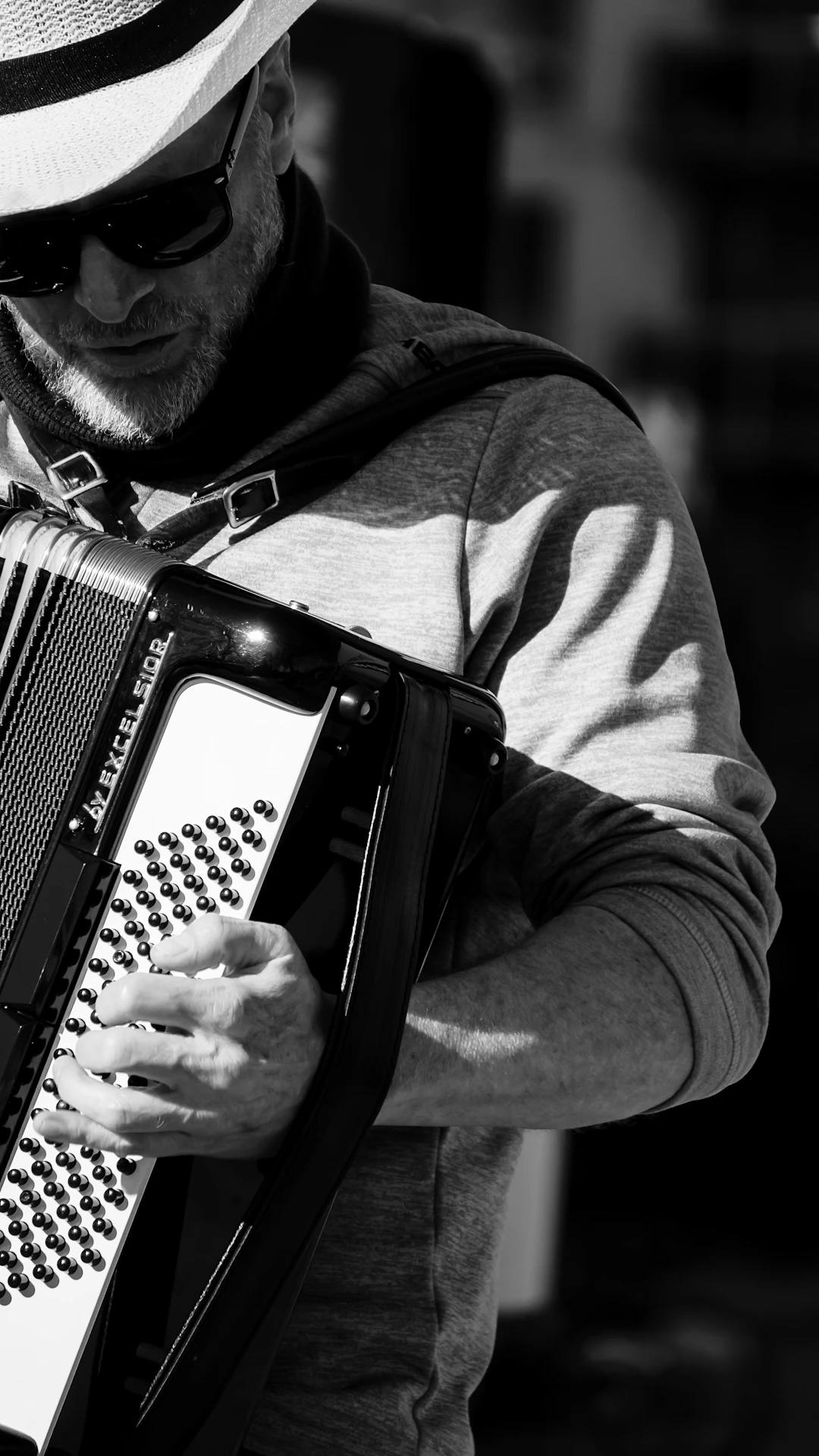
- Accordion: The rich sound of the accordion harmonizes beautifully with other instruments, making it a staple in many Irish bands.
Each of these instruments plays a role in creating the music that has become synonymous with the culture of this country.
Dance Styles
Irish dance is equally captivating, with its own set of styles ranging from energetic social dances to elaborate performances. Here are several notable forms:
- Traditional Irish Dance: Characterized by rapid leg and foot movements while the upper body remains stationary.
- Céilí Dancing: Often danced in groups, this social form promotes community and connection through rhythm and movement.
- Step Dance: Made famous by shows like "Riverdance," this form highlights intricate footwork and is a feast for the eyes.
Where to Experience the Magic
As a traveller visiting this land, getting into the musical and dance traditions means attending special events or visiting key locations. Here’s a guide to where you can experience the magic of Irish music and dance in Ireland.
Festivals
Several festivals are dedicated to showcasing Irish culture through music and dance. Here are some of the top recommendations:
- Fleadh Cheoil: This national music festival celebrates traditional Irish music and dance. It’s the largest gathering of its kind and happens annually, drawing musicians from all around the globe.
- Dánlann: A festival combining music, poetry, and dance, Dánlann seeks to preserve the essence of traditional Irish cultural expressions.
- St. Patrick’s Day Festivals: No account of Irish culture would be complete without mentioning St. Patrick's Day celebrations. The streets are filled with lively performances, parades, and countless opportunities to join in the festivities.
Small Venues and Pubs
For a more intimate experience, seek out local pubs that host traditional music sessions. These venues offer a chance to connect with locals and enjoy spontaneous performances. Places like:
- The Cobblestone, Dublin: A pub known for its atmosphere and skilled musicians.
- O’Donoghue’s, Dublin: Renowned for its music sessions, it’s a must-visit for traditional music lovers.
- McDaids, Dublin: A historic venue where you can soak in the ambiance while enjoying local talent.
The Role of Irish Music and Dance in Culture
Irish music and dance are more than just art forms; they are mediums that convey the soul of the nation. They serve as a means of storytelling, celebrating the history of Ireland, its struggles, and its victories. Music and dance bring communities together, instilling a sense of national identity and pride.
A Doorway to Connections
For anyone who travels to Ireland, engaging with the music and dance community fosters connections with locals. As you join in with a lively Céilí dance or tap your feet along with a band in a cosy pub, you’ll find that music transcends language and culture. These experiences will stay with you long after your trip ends, coloured by Irish music and dance.
Teaching the Next Generation
Across Ireland, schools and community centers are dedicated to teaching young people traditional Celtic music and dance. As cultural custodians, these institutions ensure that the skills and stories are passed down, enriching future generations with an appreciation for their rich cultural heritage.
Understanding the History Behind the Beats
To fully appreciate Irish music and dance, it helps to look at the history behind them. Each tune, every movement is an echo of past experiences.
Historical Influences
Over centuries, Irish music has absorbed influences from various sources:
- Colonial History: The impact of British rule has led to the blending of musical styles, with local melodies intertwining with outside influences.
- Emigration: As Irish communities spread across the globe, they carried their music with them, impacting musical traditions in places like America and Australia.
- Modern Evolution: Today, traditional music finds expressions in various genres, with artists blending it with contemporary sounds, appealing to broader audiences.
Fun Activities to Enhance Your Experience
As you travel Ireland, there are various activities you can take part in that will enrich your appreciation of Irish music and dance:
Workshops
Take part in hands-on workshops where you can learn to play traditional instruments or join a dance class. Many local communities offer these as part of their cultural programmes.
Visiting Museums
Museums like the Irish Folk Museum in Dublin provide insights into the evolution of Irish music and dance. The exhibits highlight traditional artefacts, interactive displays, and a long history.
Social Nights
Join local cultural nights where you can meet fellow travellers and enthusiasts. Here, everyone gathers for a night filled with music, dancing, and sharing stories of travels.
The Irreplaceable Soul of Irish Culture
Irish music and dance get close to the heart of Ireland itself. This cultural treasure creates connections, ignites passion, and provides an incredible backdrop for your travel adventures. Whether you’re tapping your feet to a lively jig, singing along to a ballad, or simply soaking in the electric atmosphere, every moment spent in the heart of Ireland serves to deepen your love and appreciation for its timeless traditions.
So gear up, plan your trip, and let the enchanting rhythms of Irish music and dance awaken your spirit of adventure. As you travel, remember that every note played and every step danced tells a story. Get to a session or a céilí while you are here. That is where Irish life shows itself plainest.
Questions, answered
What is the significance of Irish music and dance in Irish culture?
Irish music and dance serve as mediums that convey the soul of the nation, celebrating its history, struggles, and victories while bringing communities together.
What are some traditional instruments used in Irish music?
Traditional Irish instruments include the Uilleann pipes, Bodhrán, fiddle, and accordion, each contributing to the unique sound of Irish music.
What are popular dance styles in Irish culture?
Popular Irish dance styles include Traditional Irish Dance, Céilí Dancing, and Step Dance, each showcasing different rhythms and forms of expression.