Language and Regional Dialects in Ireland
Navigate Ireland's languages and regional dialects, from Gaeilge and the Gaeltacht to the accents and expressions that change as you travel the island.
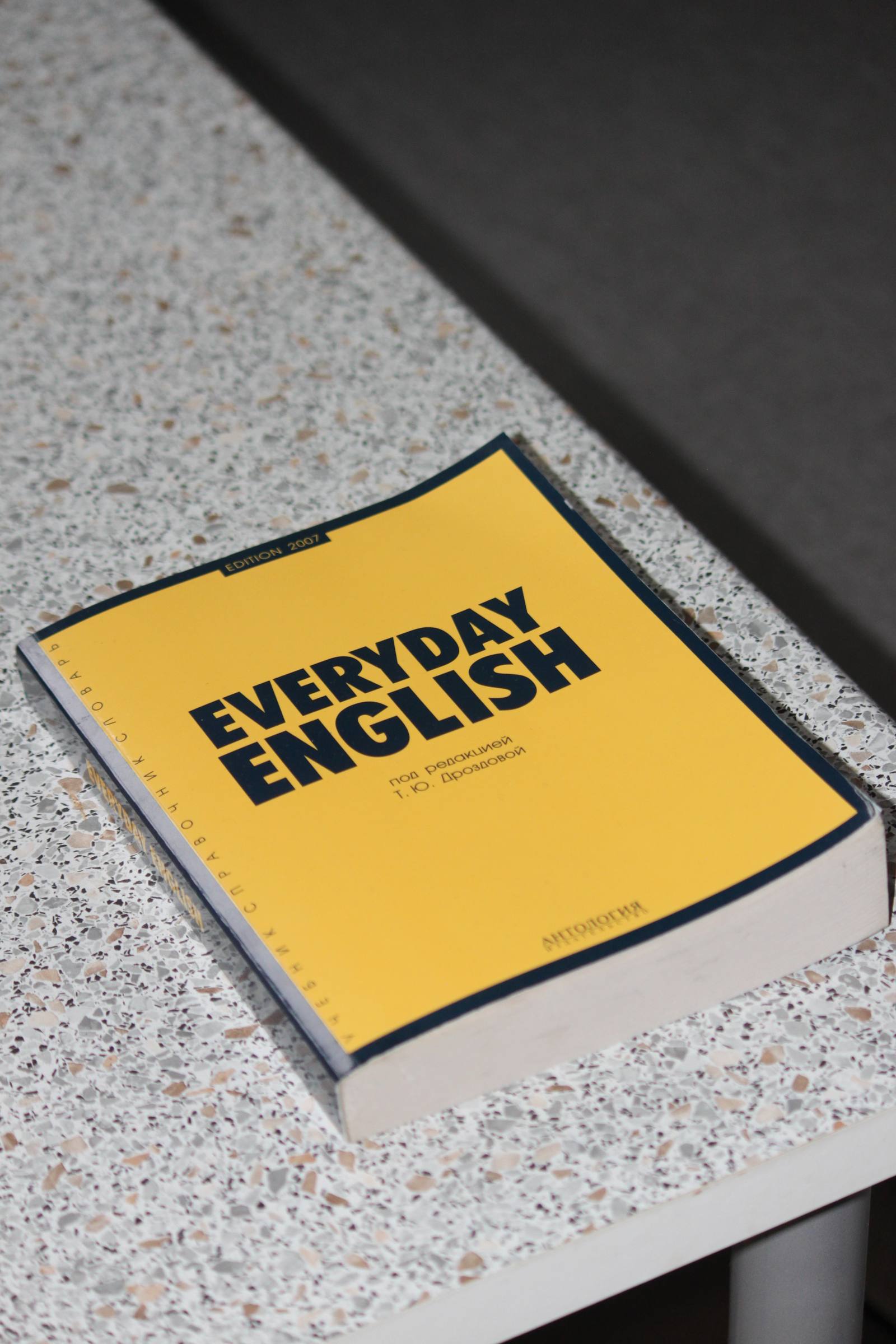
When you think about travel in Ireland, what comes to mind? Green landscapes, rich history, and a living culture that pulses through every street corner? While those aspects are certainly striking, there's another layer to Ireland that's equally interesting: its language and regional dialects. Looking at the linguistic idiosyncrasies of this country not only enhances your understanding of the local culture but also enriches your travel experience. Here is a look at the varied linguistic landscape of Ireland.
The Irish Language: A Treasure Trove of Heritage
Irish, or Gaeilge, is one of the oldest languages in Europe, with roots tracing back over 2,000 years. As you travel through different regions of Ireland, you'll discover that the language is still a vital part of cultural identity, especially in Gaeltacht areas where Gaelic is the primary tongue. These areas include parts of counties like Galway, Kerry, and Donegal. Here, you might hear shopkeepers greeting you in Irish or find street signs alongside their English counterparts.
- Fun Fact: The phrase "Céad Míle Fáilte" means "A hundred thousand welcomes" and is commonly found in many places, showcasing the hospitality deeply embedded in Irish history.
- Many locals are bilingual, so feel free to greet them with a simple "Dia duit" (Hello).
Regional Dialects: Diversity and Distinctions
Travelling around Ireland is a unique experience, especially considering the regional dialects that vary not just in pronunciation but also in vocabulary. While Irish may be the language of heritage, English has its own flavors across different regions. Here are some of the notable dialects you may encounter:
1. Dublin English
The capital city of Dublin has a lively cultural scene and a distinct dialect. Dublin English often includes slang terms like "grand" (fine) and “craic” (fun). When in a local pub during St. Patrick’s festivities, you’ll hear these terms combined with lively anecdotes and laughter.
2. Cork English
In contrast, Cork English has its own delightful quirks. With a rising intonation often likened to a questioning tone, it’s charmingly unique. Expect to hear phrases like “to be sure” and the term “yoke” used for anything from objects to people.
3. Belfast English
Travelling north to Northern Ireland, Belfast English carries a slightly different flavour. The accent can be quite strong, often leading to misunderstandings among tourists. The use of words like "wee" (small) and the unique phrase “What’s the craic?” (What's happening?) might be initially confusing but are crucial in connecting with locals.
4. Galway Irish
In western Ireland, particularly in Galway, the local vernacular is influenced strongly by the Irish language. Visitors may hear more phrases in Irish, along with a musical accent that can make conversations seem like poetry. Engaging with locals here during St. Patrick's celebrations is a fantastic way to experience genuine cultural exchanges.
Learning Basic Irish: Connect with the Culture
One of the best ways to get into Irish culture is by picking up a few simple phrases in Irish. This respectful gesture not only endears you to the locals but can also lead to delightful interactions. Here are some essential Irish phrases to get you started:
- Go raibh maith agat: Thank you
- Le do thoil: Please
- Conas atá tú? How are you?
- Táim go maith: I am good
- Sláinte! Cheers!
By incorporating these phrases into your daily conversations while travelling through Ireland, you’ll not only navigate the language barrier with ease but will also acknowledge the rich history and culture of the country.
The Power of Storytelling: Regional Folklore and Its Linguistic Influence
Normal conversations often turn into storytelling in Ireland, a tradition with deep history that conveys much more than just information. Various regions have their own mythologies, legends, and stories, passed down through generations and told in distinctive dialects. Tales of heroes like Cú Chulainn in Ulster or folklore surrounding the Banshee in Connacht paint a colorful picture of the Irish psyche and how language shapes identity.
When visiting different regions, seek out local storytellers in pubs or cultural centers. Prepare to be captivated by the cadence of their speech and the magical stories imbued within their dialects.
Embrace the Local Culture: Join in the Festivities
When travelling in Ireland, timing your visit with local festivals like St. Patrick’s Day can provide you with rich interactive cultural experiences. These celebrations allow you to witness and participate in local customs, music, and dance, which often have their roots in regional dialects and languages. It’s a perfect opportunity to mingle with locals and practice your newly acquired Irish phrases.
- Tip: During St. Patrick’s Day celebrations, listen closely to how locals converse and join in on traditional dances, even if it’s just for the fun of it.
Language as a Bridge to Understanding
As you navigate your way through the linguistic map of Ireland, remember that language serves as a bridge to deeper understanding. Your interactions with locals, with a bit of effort in their language, can lead to friendships and cultural exchanges you will remember. Whether it's discussing music preferences or local sports, each conversation brings you a little closer to capturing the essence of Ireland.
Language Schools: A Closer Look
If you’re serious about mastering the Irish language, or if you simply want to enhance your travel experience, consider enrolling in a language school during your visit. Institutions like the Gaelcholáiste in Dublin offer language courses that provide you with practice opportunities while promoting local culture and community involvement.
Additionally, evening workshops in many towns focus on traditional storytelling or music, allowing you to learn in a lively atmosphere surrounded by the cultural richness of your surroundings.
Setting Sail For Home: A Lasting Impression
As your Irish adventure draws to a close, take a moment to reflect on the language experiences you have gathered along the way. Whether you embraced the subtle nuances of dialects or connected with locals through the Irish language, these elements will leave lasting impressions as you head back home.
In the end, travelling through Ireland's varied linguistic landscape is more than just travel. It is about making meaningful connections and valuing the stories that shape a nation. Beyond the views and historical monuments lies the very heart of Ireland: the way its people communicate, share, and celebrate life. So, the next time you hear "Céad Míle Fáilte,” remember it’s not just a welcoming phrase; it’s a genuine invitation to dive into the soul of Ireland.
Questions, answered
What is the Irish language and why is it important in Ireland?
Irish, or Gaeilge, is one of the oldest languages in Europe and is a vital part of cultural identity in many regions, especially in Gaeltacht areas.
What are some common phrases to learn in Irish?
Some essential Irish phrases include 'Go raibh maith agat' (Thank you), 'Le do thoil' (Please), 'Conas atá tú?' (How are you?), and 'Sláinte!' (Cheers!).
What are some regional dialects of English in Ireland?
Notable regional dialects include Dublin English, Cork English, Belfast English, and Galway Irish, each with unique pronunciations and vocabulary.