Irish Folklore and Mythology
Enter the world of Irish folklore and mythology, from Cú Chulainn and the Tuatha Dé Danann to banshees, sacred landscapes, storytelling tours and festivals.
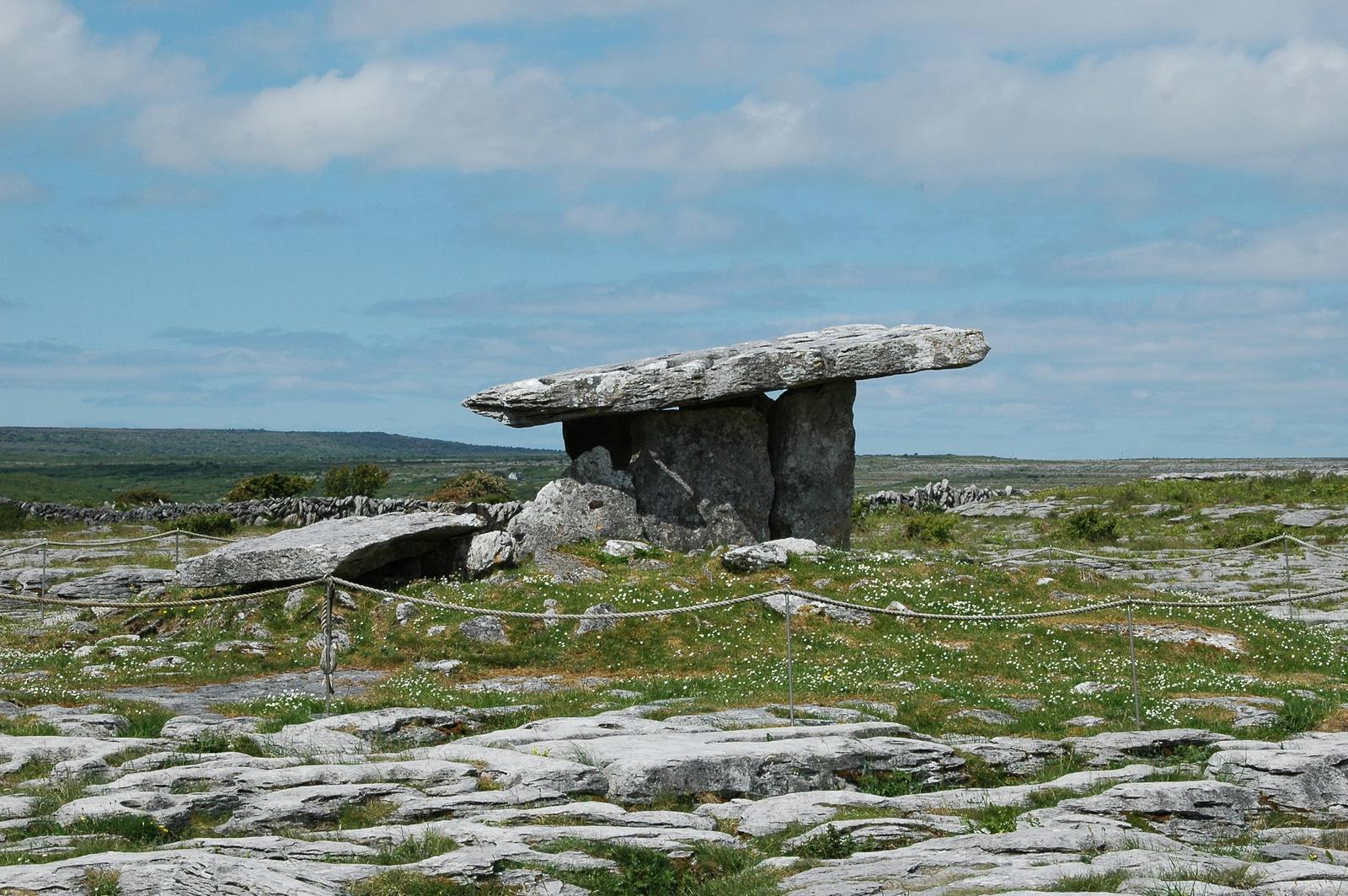
When one thinks of Ireland, images of green landscapes, ancient castles, and a living culture often come to mind. However, intertwined with this picturesque scenery is a rich tapestry of folklore and mythology that has been passed down through generations. If you're planning to travel to Ireland, understanding the history and legend of this captivating land will deepen your experience. In this post, we will look at the famous legends of the Irish, and at the figures that have shaped the culture.
The Land of Myths and Legends
Irish folklore is a fascinating blend of ancient tales and historical events woven together. Irish mythology presents deities, heroes, and mystical beings that have defined the Irish identity throughout the centuries. Here’s an overview of the key elements that characterize this magical canvas:
- Gods and Goddesses: The Irish pantheon is filled with powerful deities, each representing different aspects of life, nature, and the human experience.
- Heroes and Warriors: Tales of legendary heroes like Cú Chulainn exemplify bravery and strength, often facing insurmountable odds.
- Magical Creatures: Fairies, leprechauns, and banshees are some of the mythical beings that capture the imagination and are integral to Irish storytelling.
- Folkloric Tales: Stories often contain moral lessons or explain natural phenomena, enriching Ireland’s rich oral tradition.
The Mythical Figures of Ireland
Irish mythology is populated by remarkable characters, many of whom embody the values and passions of the Irish people. Below are some of the figures you might encounter in Irish folklore:
Cú Chulainn
Possibly one of the most famous heroes in Irish mythology, Cú Chulainn is known for his incredible feats of strength, loyalty, and indomitable spirit. His story is filled with adventures, battles, and tragic moments that have contributed to the rich history of Ireland:
- Born as Setanta, he earned the name Cú Chulainn after defending a king’s home from a ferocious dog.
- His legendary battle frenzy, known as “ríastrad,” transformed him into an unstoppable warrior.
- Cú Chulainn’s tales often involve themes of honor and sacrifice, making him a symbol of Irish valor.
The Tuatha Dé Danann
The Tuatha Dé Danann, a mythical race of people, are considered integral to Irish mythology. They are symbolically linked to the earth, dawn, and wisdom, and play a significant role in the ancient stories of Ireland:
- Composed of skilled craftsmen, magicians, and warriors, they were said to have descended from the skies to travel to Ireland.
- Each member possessed unique talents, contributing to the many legends surrounding their existence.
- Their battles with the Milesians symbolize the clash between old ways and new, echoing the history of Ireland.
Banshee
The banshee is perhaps one of the most fascinating figures in Irish folklore. Known as a female spirit whose wail signals impending death, she evokes both fear and respect:
- With long flowing hair and a hauntingly beautiful voice, the banshee serves as a guardian of families.
- Her legend warns of change and the cycle of life, representing the deep connection the Irish people have with their ancestors.
- Encounters with a banshee are often depicted as profound experiences, carrying layers of mythology and significance.
The Enchanted Landscapes of Ireland
As you cross Ireland, the presence of these ancient tales is everywhere: from the rocky cliffs to the woods. Here are some locations with deep history and mythology that every traveller should consider:
Brú na Bóinne
Home to the passage tombs of Newgrange and Knowth, Brú na Bóinne is a UNESCO World Heritage site that dates back to around 3200 BC. These ancient structures align precisely with the winter solstice, illuminating the inner chambers at dawn. They are not only architectural wonders but also significant markers in Irish mythology.
The Hill of Tara
The Hill of Tara, once the seat of the High Kings of Ireland, is laden with history and mystery. Says legend, it is the burial site of the divine kings, said to be the place where myths converged, creating a nexus of power, culture, and belief. Standing atop Tara grants you a panoramic view of the Irish countryside, creating a perfect backdrop for visual storytelling.
The Giant's Causeway
According to myth, the Giant’s Causeway was formed by the giant Fionn mac Cumhaill, who was said to have built it as a bridge to Iceland to confront a rival giant. The hexagonal columns are a geological formation that adds to the story, drawing visitors year-round. The legend adds an element of allure that attracts travel enthusiasts and history buffs alike.
Festivals and Traditions: A Celebration of Heritage
Irish culture is marked by festivals, many of which carry the nation’s mythology. St. Patrick’s Day, celebrated on March 17th, is a global phenomenon that pays homage to Ireland’s patron saint. However, it reflects deeper aspects of Irish folklore and tradition:
- On this day, parades and celebrations breathe life into various myths, with costumes and performances translating stories into expressions of culture.
- Irish music and dance showcase the emotional depth and joy rooted in folklore, inviting everyone to partake in the revelry.
- Celebrations often include storytelling sessions, an essential way of keeping oral traditions alive through engaging narratives.
Bringing Legends to Life
For those interested in going deeper into the lore of Ireland, there are several avenues available. Here is how you can get into the myths and folklore:
Storytelling Tours
Look for guided tours that specialize in the folklore of the Irish. Many tours visit sacred sites and recount tales that bring the legends to life. A good storyteller can transform an ordinary location into a scene from the past.
Folklore Festivals
Participating in local folklore festivals can be a magical experience. Many towns host annual events where storytelling, music, and dance take centre stage, allowing travellers to connect with locals and take part in the traditions.
Literature and Arts
Diving into Irish literature, both historical texts and modern interpretations, can provide further insight into the legends of Iceland. Notable authors like W.B. Yeats and James Joyce infused their works with Irish folklore, helping to keep the traditions alive through literature.
Where the Stories Lead
Embrace the enchanting allure of Ireland by diving headfirst into its folklore and mythology. Each story holds a fragment of the nation’s history, a tale waiting to be found on your trip. So, as you plan your next adventure, remember the legends that populate this magical land and let the tales guide your way. Experience the spirit of the Irish by not just visiting but truly engaging with the folklore that has shaped them throughout the ages.
In every legend and story, may you find a piece of yourself and a reason to take in the beauty of Ireland. This is a land where history, folklore, and imagination intertwine, and each visit carries echoes of the past.
Questions, answered
What is the significance of Irish folklore and mythology?
Irish folklore and mythology are significant as they provide a rich tapestry of ancient tales that shape the Irish identity and culture, offering deep insights into the values and beliefs of the Irish people.
Who is Cú Chulainn in Irish mythology?
Cú Chulainn is one of the most famous heroes in Irish mythology, known for his incredible feats of strength, loyalty, and adventure, often embodying themes of honor and sacrifice.
What role do magical creatures such as fairies and banshees play in Irish folklore?
Magical creatures like fairies and banshees play integral roles in Irish folklore, often representing moral lessons, life cycles, and capturing the imagination through their enchanting tales.