Ireland's Landscapes
From the Cliffs of Moher and Giant's Causeway to Connemara, Newgrange and Killarney, the landscapes that make Ireland what it is.
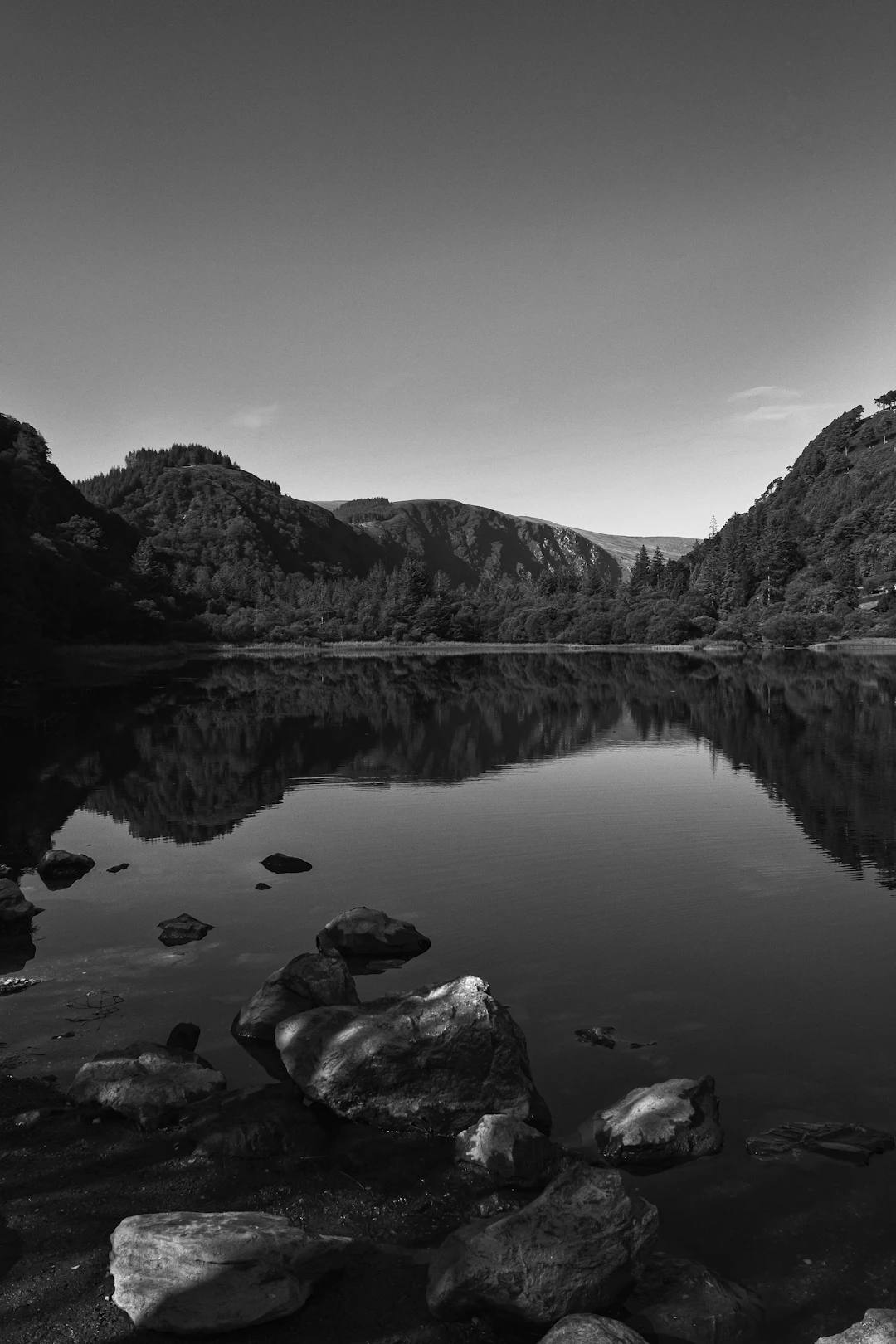
When it comes to travel, few destinations can rival the landscapes of Ireland. Known for its green hills, rugged coastlines and historical sites, Ireland offers a diverse array of experiences for every type of traveller. In this blog post, we look at the beauty of Irish landscapes and the stories they tell, guiding you through locations worth seeing.
A Landscape Like No Other
Ireland is commonly referred to as the "Emerald Isle" due to its green countryside, fed by mild temperatures and abundant rainfall. This unique weather pattern helps create a landscape that is not only beautiful but also teeming with life. From scenic cliffs to rolling hills, Ireland’s natural beauty is woven deeply into its culture and history.
Cliffs of Moher: Roaring Waves and Towering Heights
One of Ireland's best-known landmarks is the Cliffs of Moher, which rise dramatically from the Atlantic Ocean. Standing 702 feet tall at their highest point, these cliffs offer views that stretch for miles. The crashing waves below create a symphony of sounds that enhance the emotional impact of this magnificent site.
As you walk the Cliffs of Moher, take a moment to absorb the history held within the landscape. These cliffs formed over 300 million years ago and have served as a navigational aid for countless sailors throughout the ages. Don't forget to visit the Cliffs of Moher Visitor Centre, where you can learn more about the area's ecological and geological significance.
Roundstone and the Connemara Region: Rustic Charm
Travelling further into the heart of Ireland, the Connemara region offers rural landscapes, rustic charm and Gaelic culture. Known for its mountains and lakes, Connemara invites visitors to walk its rugged terrain.
- Inis Meain - Experience an evening of traditional Irish music while tasting delectable local cuisine.
- Sky Road - A scenic drive that offers panoramic views of the Atlantic, the Twelve Bens, and the surrounding countryside.
- Connemara National Park - Home to some of the best hiking trails in Ireland, perfect for outdoor enthusiasts.
Every corner of Connemara tells a story, and spending time in its landscapes is a direct way to connect with Irish lore.
Giant’s Causeway: Nature’s Masterpiece
The Giant's Causeway in Northern Ireland is perhaps one of the most extraordinary natural wonders in the world. Known for its polygonal basalt columns formed by volcanic activity, this site offers visitors wide views and a chance to learn the lore behind its creation. Tales of giants stepping across the sea certainly add to this area’s mystique.
The site is not just an engineering marvel; it is also rich in biodiversity. Numerous walking trails run along the coastline, where visitors can encounter unique plant species and spot fascinating wildlife. This combination of natural wonder and local history makes the Giant's Causeway an essential stop on your travel itinerary.
The Wild Atlantic Way: A Coastal Drive
For those who appreciate a more prolonged adventure, the Wild Atlantic Way is a spectacular coastal route that runs for over 1,500 miles, stretching along the western coast of Ireland. This scenic drive gives views of cliffs, beaches and islands, and passes seaside towns along the way.
The Wild Atlantic Way is not just a feast for the eyes. It is also a chance to take part in the culture along the route. You can stop by traditional Irish pubs, interact with locals, and indulge in regional dishes like fresh seafood, beef stew, and the famed Irish soda bread. Each stop reveals another layer of history and culture.
The Ancient Ruins: Where Landscape Meets History
Irish landscapes are not just about natural beauty; they also host some of the most fascinating historical sites in the world. The blend of ancient ruins and scenery creates an atmosphere that is truly its own.
Newgrange: The Temple of the Sun
Located in County Meath, Newgrange is a prehistoric monument older than Stonehenge and the Great Pyramids. As a UNESCO World Heritage Site, it contains a passage tomb that aligns perfectly with the winter solstice, allowing sunlight to illuminate the chamber at dawn.
Visiting Newgrange is both a trip back in time and an opportunity to engage with the rich history of the Irish people. The intricate stone carvings and the genius behind the construction of this ancient site illustrate the genius of early human ingenuity.
Rock of Cashel: A Regal Retreat
Perched atop a limestone hill in County Tipperary, the Rock of Cashel offers visitors a glance into the past with its medieval architecture. Once the seat of the Kings of Munster, this site carries a long history and spirituality. The ancient structures feature legendary tales of St. Patrick, who is believed to have baptized the King of Munster here, further linking the site to the rich tapestry of St. Patrick's Day celebrations.
As you walk the ruins, the panoramic views of the surrounding countryside will leave you taking it all in. The combination of natural beauty and historical significance at the Rock of Cashel makes it worth the trip for any traveller.
Killarney National Park: A Jewel in the Crown
Nothing captures the heart of the Irish countryside better than Killarney National Park. Established in 1932, it is the first national park in Ireland, covering over 26,000 acres of landscapes, forests, lakes and mountains. The park is famous for its majestic Muckross House, Victorian gardens, and the picturesque Lakes of Killarney.
Try kayaking on the lakes or hiking trails like the Old Kenmare Road, where you can appreciate the beauty of Killarney's flora and fauna. It is an unparalleled experience that combines nature, travel, and a sense of peace.
Galway: A Charming City with a Local Flair
Galway is a lively city on Ireland's west coast, known for its atmosphere, Irish culture and proximity to good landscapes. Its historic center is filled with bustling streets, street performers, and local markets selling artisan goods and traditional foods.
Within just a short drive from Galway, you will find Connemara and the Aran Islands. Both locations offer views and opportunities for hiking and cycling, and a taste of Irish life. Moreover, during the annual St. Patrick's Festival, the city transforms with parades, music, and dance, showcasing the rich heritage of the Irish people.
Why You Should See Ireland's Landscapes Now
With so much to see and do, travelling through Ireland's landscapes makes a trip in itself. Adventurer, history enthusiast or simple wanderer: there is plenty in this country to hold anyone's attention.
Look at the stories and traditions that have shaped Ireland's identity, and see the beauty of its landscapes at first hand. Allow the captivating scenery to inspire you and invite you to create your adventures. As you trek through its green hills, look at its cliffs and absorb the history that surrounds you, you will discover why Ireland remains a leading destination for travellers from around the globe.
Do not just wait for your next trip. Start planning it. Ireland's landscapes have their beauty and their stories ready to share. Every hill and coastal stretch holds a secret waiting to be found, making it the right time to start planning your trip to this nation.
Questions, answered
What makes Ireland's landscapes unique?
Ireland's landscapes are unique due to their lush green hills, rugged coastlines, and rich history, often enhanced by its mild climate and abundant rainfall.
What are the Cliffs of Moher?
The Cliffs of Moher are landmarks in Ireland that rise 702 feet above the Atlantic Ocean, offering views and a history that dates back over 300 million years.
What can visitors experience in the Connemara region?
In the Connemara region, visitors can enjoy majestic mountains, serene lakes, traditional Irish music, scenic drives like Sky Road, and outstanding hiking trails in Connemara National Park.