Understanding Ireland's Weather
Ireland's weather changes fast. Learn what each season really brings, how microclimates work, what to pack, and how to plan days around rain, wind and sunshine.
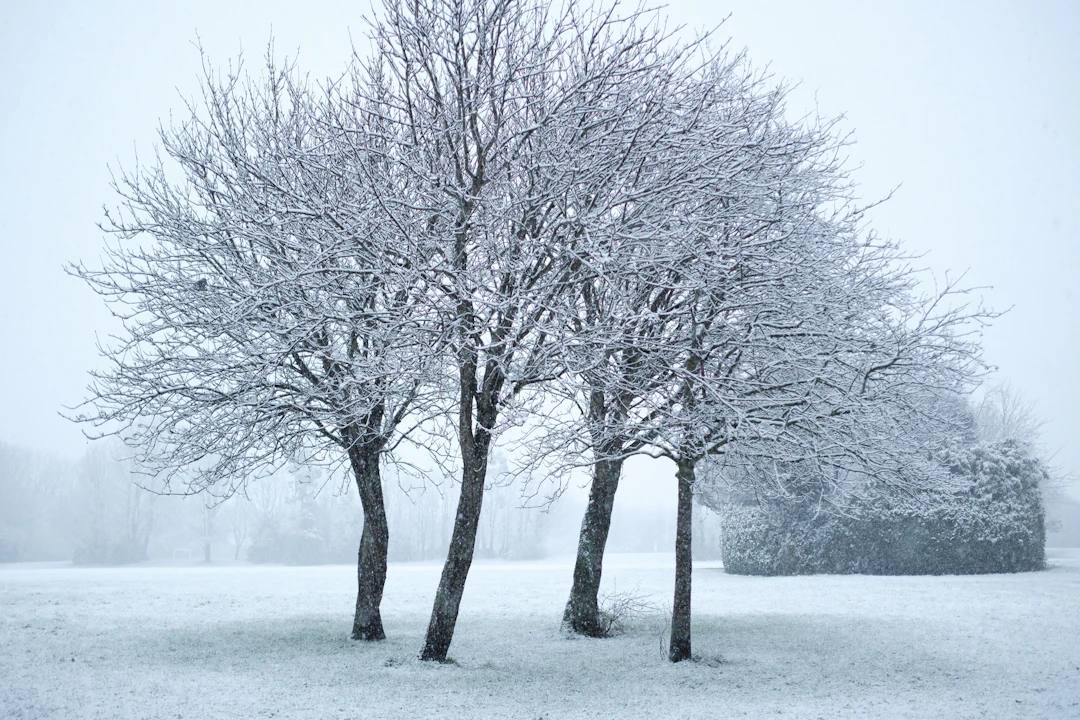
When planning a trip to Ireland, one of the most common questions that arise is, “What is the weather going to be like?” This island, rich in Irish history, is renowned for its landscapes, charming villages, and culture. However, the weather can often be as unpredictable as the mystical legends that surround it. From rainy days to sunny spells, here’s what you can expect from the weather in Ireland.
The Four Seasons of Ireland
Understanding the seasons can help you prepare adequately for your travel experience. Ireland experiences four distinct seasons:
- Spring (March to May): A time of blooming flowers and occasional rain showers.
- Summer (June to August): Generally warmer, perfect for outdoor activities and experiencing festivals.
- Autumn (September to November): Crisp air and beautiful foliage, though rain becomes more frequent.
- Winter (December to February): Cold temperatures, often with frost and rain, but experience unique StPatricks celebrations.
Seasonal Insights: What to Pack
The key to enjoying your trip through Ireland is in your packing strategy. Here’s a breakdown of what to expect with each season and some tips on how to dress accordingly:
Spring: A Blossoming Landscape
As spring approaches, Ireland begins to shake off the lingering chill of winter. Daytime temperatures range from 10°C to 15°C (50°F to 59°F), and while you’ll see more sunshine, there’s still a good chance of rain. Visitors should:
- Pack light layers, including a waterproof jacket.
- Bring comfortable walking shoes to walk the gardens and countryside.
- Don’t forget your umbrella. It might be necessary.
Summer: The Warmest Season
Summer in Ireland is mild and can get surprisingly warm, with temperatures reaching up to 20°C (68°F) or higher. Visitors flock to the busy towns for festivals, including the famous St Patrick's festivities. What you should take with you includes:
- Lightweight clothing but pack a warmer layer for the evenings.
- A hat and sunscreen, especially if you plan to bask in the sun while enjoying an ice-cold beverage at a local pub.
- Comfortable hiking shoes for walking national parks or coastal trails.
Autumn: A Colorful Transition
As autumn graces the island, Ireland transforms into a canvas of golds, oranges, and reds. With temperatures ranging from 9°C to 15°C (48°F to 59°F), visitors can enjoy experiencing local produce at autumn festivals. While the rain starts to increase, consider packing:
- Warm coats, especially for evening excursions.
- Boots to navigate through muddy paths while admiring the fall foliage.
- Scarves and gloves for the cooler days.
Winter: The Festive Chill
Winter can be quite chilly in Ireland, with temperatures dropping to 2°C to 7°C (36°F to 45°F). Although there's often some welcome snow, rain showers are more common. Travellers should bring along:
- Heavy coats and thermal wear to stay warm.
- Waterproof and insulated footwear for comfort during the holiday season.
- Festive spirit as you’ll encounter Christmas markets and festivities all through December.
The Microclimates of Ireland
Ireland's weather is influenced by various geographical factors, resulting in several microclimates. This means that while one area is experiencing rain, another could be enjoying clear skies. The west coast, particularly places like Galway, is known for its higher rainfall, while the east coast, including Dublin, tends to be slightly drier.
When planning your itinerary, it’s helpful to research the region you’ll be visiting. In general, coastal areas may experience stronger winds and rain, while inland areas will be slightly warmer and more temperate.
Staying Informed: Weather Resources for Travellers
Technology today offers several tools to help travellers stay updated on Ireland’s constantly changing weather. Before setting out on your trip, make sure to download a reliable weather app or check online platforms for:
- Daily forecasts specific to the location you'll be visiting.
- Weather warnings or advisories, particularly during stormy seasons.
- The UV index, especially during the hotter summer months.
The Best Time to Experience Ireland
Choosing the best time for your visit to Ireland ultimately depends on your personal preferences and what experiences you’re looking for. Here are a few considerations:
If You Love Festivals:
Consider planning your trip around the StPatricks festival in March, where you'll witness parades, music, and traditional Irish festivities in full swing.
If You Prefer Mild Weather:
Summer is the ideal season for travellers seeking pleasant weather suited to outdoor activities. The longest days and numerous events make it a popular time to visit.
If You Cherish Solitude:
Off-peak seasons, like late autumn and winter, provide a distinct charm. You will encounter fewer tourists, allowing for a more tranquil experience when visiting historical sites and natural landmarks.
Ireland’s History in the Rain
It’s worth noting that some of Ireland's best tourism treasures can be best enjoyed under gray skies. The island’s rich history is evident in its ancient castles, historic ruins, and warm-hearted friendly locals, regardless of the weather.
Rainy days provide a perfect opportunity to visit museums and galleries, where you can learn about Irish arts, culture, and histories, such as:
- The National Museum of Ireland: Art and History in Dublin.
- The Titanic Belfast, which recounts the story of the famous ship.
- Newgrange, a prehistoric monument that predates Stonehenge.
Weather Preparation and Local Culture
Understanding the local culture and weather is crucial for any traveller visiting Ireland. The Irish are known for their resilience, and they embrace rain as part of their heritage. When chatting with locals, you might hear them describe the weather with humor and positivity, saying, "If you don’t like the weather now, just wait five minutes!”
This sentiment reflects the spirit of Ireland itself, a place where nature reigns and is celebrated. Ensure you adapt to this culture by embracing outdoor activities, regardless of the weather.
Wind Down in Cosy Irish Pubs
No visit to Ireland is complete without experiencing the famous local pubs. These establishments offer cosy atmospheres where you can get in from the chill. Gather around the fire, sip on a hot whiskey, and enjoy the lively chatter, traditional music, and stories shared by locals.
The unpredictable weather in Ireland is just a backdrop to enriching experiences with the friendly Irish people. The landscape, culture, and deep-rooted history of the country is what makes any trip worthwhile, irrespective of the forecast.
Sailing Through Your Irish Adventure
Strolling through a green field, visiting ancient ruins, or enjoying a hearty Irish stew in a cosy pub, the unpredictable weather can add an element of surprise to your travel. So, pack accordingly, stay adaptable, and embrace the lyrical charm of the weather in Ireland.
Ultimately, your travels through Ireland will be defined not merely by what you encounter but also by how you respond to the world around you. By tasting its food, taking in its culture, and learning its rich history, you’ll discover that the sunlight is brightest after the rain. Let Ireland captivate your spirit and create memories that will last a lifetime.
Questions, answered
What are the four seasons in Ireland?
Ireland experiences four distinct seasons: Spring (March to May), Summer (June to August), Autumn (September to November), and Winter (December to February).
What should I pack for my trip to Ireland in Spring?
During Spring, pack light layers, including a waterproof jacket, comfortable walking shoes, and an umbrella.
Is Summer a good time to visit Ireland?
Yes, Summer is the warmest season with mild temperatures, making it ideal for outdoor activities and festivals.