Driving in Ireland: An Essential Guide
Everything you need for driving in Ireland: road rules, driving on the left, rental tips, navigation, fuel, and the scenic routes that make the drive the trip.
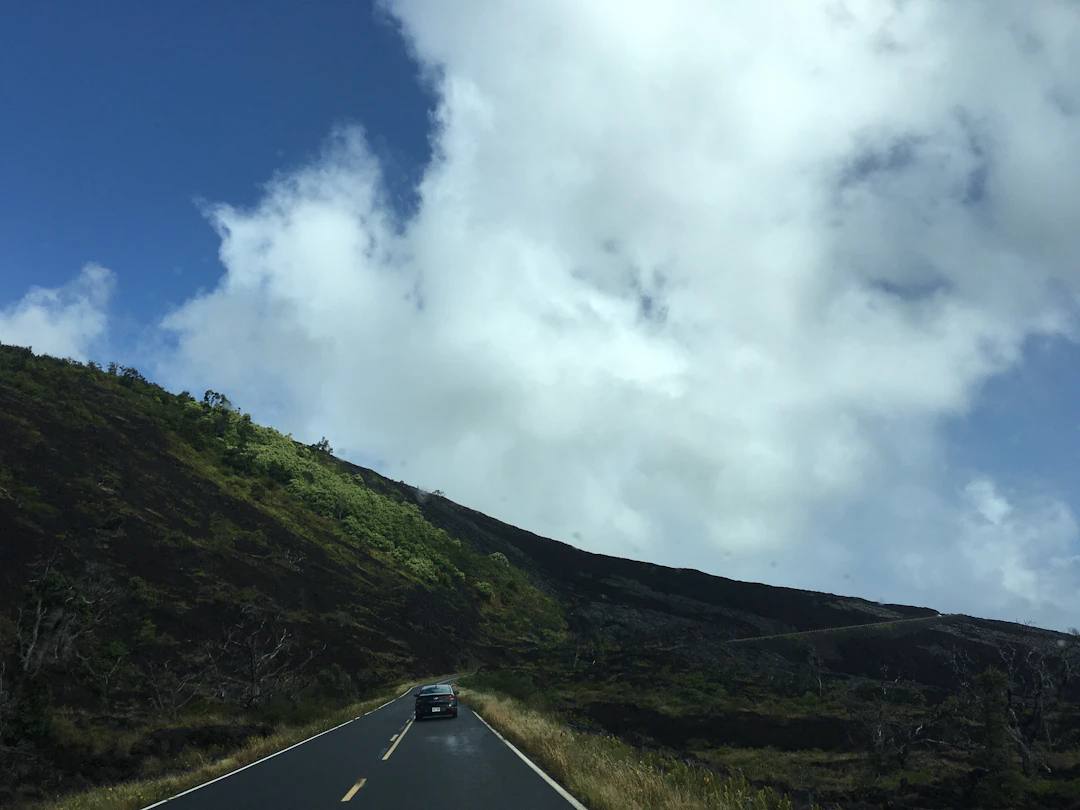
Travelling through Ireland offers a distinctive experience, filled with history, culture and scenery. However, diving into the Irish adventure begins with understanding the best ways to navigate its roads. Whether you’re on a quest for the historical treasures of Dublin or planning to celebrate St. Patrick’s Day amidst the rolling green hills, it’s vital to know what to expect when driving in Ireland. In this blog post, we set out essential tips, insights and advice to make your driving experience smooth and enjoyable.
Why Drive in Ireland?
Driving is one of the best ways to experience all that Ireland has to offer at your own pace. While the public transport system is extensive and reliable, having the freedom to venture off the beaten path can lead you to places you may miss otherwise. Imagine driving winding country roads that take you to Irish villages, historic castles or coastal cliffs. Here are some reasons why driving is an excellent choice:
- Flexibility: Set your own itinerary and go when and where you choose.
- Accessibility: Reach remote locations that are off the public transport grid.
- Discover History: Drive through areas with a long Irish history and culture behind them.
Understanding Irish Road Rules
Before you hit the road, it's crucial to familiarize yourself with the Irish driving laws. This will not only keep you safe but also help you to have a more enjoyable driving experience in Ireland. Here are key points to remember:
- Drive on the Left: In Ireland, drivers operate on the left side of the road, which may be an adjustment for travellers from countries that drive on the right.
- Speed Limits: Speed limits are posted in kilometers per hour (km/h). The typical limits are 50 km/h in urban areas, 80 km/h on rural roads, and 120 km/h on motorways.
- Seatbelts: Seatbelts are mandatory for all passengers. Fines apply for those not wearing them.
- Drink Driving: Ireland has strict drink driving regulations. The legal limit is 0.5 mg/ml of blood. Plan for a safe way home if you intend to indulge in Irish beers or spirits.
The Joys of Scenic Drives in Ireland
With its landscapes, driving in Ireland can be a memorable experience. Here are some scenic drives to consider:
1. The Wild Atlantic Way
Spanning over 2,500 kilometers, the Wild Atlantic Way is unrivaled in its beauty. This coastal route takes you through dramatic cliffs, charming coastal towns, and historical sites. As you drive, make sure to stop off at:
- Cliffs of Moher: A landmark worth visiting.
- Connemara: See its landscapes and distinctive wildlife.
- Galway: Enjoy this city, filled with Irish music and food.
2. The Ring of Kerry
The Ring of Kerry is another popular driving route, known for its views and opportunities to learn local history. This 179-kilometre loop offers attractions, including:
- Killarney National Park: Discover waterfalls, scenic lakes, and the famous Muckross House.
- Skellig Michael: A UNESCO World Heritage site, famous for its monastic settlement.
- Killorglin: Home to the Puck Fair, one of Ireland's oldest fairs.
3. The Causeway Coastal Route
This route along the northern coast connects Belfast and Derry, offering views of the Irish Sea and well-known landmarks, such as:
- Giant’s Causeway: A unique UNESCO site known for its hexagonal basalt columns.
- Bushmills Distillery: Experience one of the oldest distilleries in the world.
- Dunluce Castle: Visit this historical castle perched on a cliff.
Planning Your Trip and Rental Considerations
When planning your driving adventure in Ireland, here are some travel tips to consider:
Choosing the Right Rental Car
Compact cars are often easier to maneuver on narrow roads. The rental agreement is the document that sets out the insurance coverage, the excess and who may drive, so its terms are the ones that govern a claim. Be aware that some rental companies require you to be at least 25 years old, and fees may apply for younger drivers.
GPS and Navigation
Having a reliable navigation system is vital. While most rental cars will offer GPS, consider downloading offline maps on your smartphone to assist in remote areas where signal strength may vary. Apps like Google Maps can be invaluable for receiving real-time updates about traffic and road conditions.
Fuel and Refueling
Fuel stations are readily available along most routes, though they may be scarce in rural areas. Familiarize yourself with fuel types available. Gasoline in Ireland is typically referred to as “petrol,” and diesel is labeled as “diesel.”
Cultural Considerations When Driving in Ireland
Driving in Ireland is not just about the roads and sights; it’s also about embracing the local culture. Here are some tips to enhance your travel experience:
A Respectful Navigation of Irish Customs
When approaching any town or village, keep an eye out for cyclists and pedestrians; it’s a sign of respect for local residents. Additionally, if you encounter a farmer herding sheep along a road, slow down and give them space to pass.
Road Signs and Language
Road signs in Ireland are primarily in both Irish and English, often featuring clever bilingual wordplay. This allows visitors to experience the richness of the Irish language while navigating your trip.
Embrace St. Patrick’s Day Spirit
No discussion on travelling to Ireland is complete without mentioning its famous celebration of St. Patrick’s Day. Taking place every 17 March, this annual celebration sees the streets filled with parades, music and festivities. Visiting during this time offers a distinctive glimpse into Irish culture and community. Just remember to plan ahead, as accommodation fills up quickly.
Tips for a Safe and Enjoyable Driving Experience
Your safety and enjoyment are paramount while driving in Ireland. Below are practical tips to help ensure that your trip goes smoothly:
- Adjust to Local Driving: Practice defensive driving, as Irish roads can be winding and narrow. Expect local drivers to be quite accommodating, but always be cautious.
- Stay Alert: Watch for livestock, especially in rural areas. Farm animals can occasionally wander onto roads.
- Parking: Be aware of parking regulations and avoid congested areas. Look for signposts that may direct you to parking facilities.
- Insurance: Confirm that your rental car has adequate insurance coverage for the duration of your trip.
Wrapping Up Your Driving Adventure in Ireland
Driving in Ireland is an unparalleled experience that goes beyond mere transportation; it enables you to connect with the heart of this beautiful country. Traversing the landscapes, discovering historical sites, or joining the celebrations during St. Patrick's festivities, the freedom of the open road offers endless possibilities.
So, buckle up, enjoy the drive, and let Ireland unfold before you. With a little preparation and awareness, your driving will be a memorable chapter in your travel story. Safe travels.
Questions, answered
What are the benefits of driving in Ireland?
Driving in Ireland offers flexibility in your itinerary, accessibility to remote locations, and the chance to discover rich Irish history and culture.
What are the key road rules to remember while driving in Ireland?
Key road rules include driving on the left side of the road, adhering to speed limits posted in kilometers per hour, wearing seatbelts, and following strict drink driving regulations.
What scenic drives should I consider while in Ireland?
Popular scenic drives include the Wild Atlantic Way, the Ring of Kerry, and the Causeway Coastal Route, each offering unique landscapes and attractions.