The Best Time to Visit Ireland
Spring blooms, summer festivals, autumn colour or a cosy winter break? A season-by-season guide to choosing the best time of year for your Ireland trip.
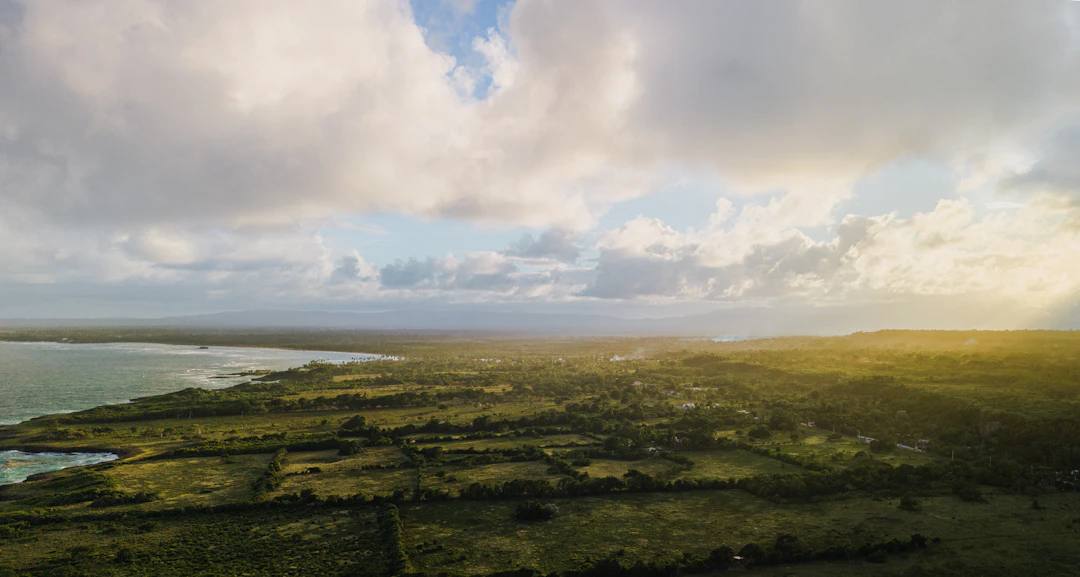
When it comes to planning a trip, timing is everything, especially when you want to experience the charm and wonders of Ireland. Ireland has the landscape, the culture and the history. What it offers depends on when you go. In this guide, we look at the best times of year for travelling to Ireland, so you can plan around the weather, the festivals and the crowds.
Understanding Ireland’s Seasons
To find the best time to visit, it’s essential to understand the seasons in Ireland. The country experiences a temperate maritime climate, which means that temperatures are generally mild and the weather can be unpredictable. Here’s a brief overview:
- Spring (March to May): A time for blooming flowers and the start of outdoor activities.
- Summer (June to August): The warmest season, right for getting outdoors and for festivals.
- Autumn (September to November): Harvest time, offering beautiful fall foliage.
- Winter (December to February): Cooler temperatures and fewer tourists, ideal for a quieter experience.
Spring: Ireland Wakes Up
Spring is one of the best times for travelling to Ireland, particularly if you visit during St. Patrick’s Day in March. As the nation comes alive to honor its patron saint, the festive atmosphere is palpable. Cities like Dublin and Galway fill with parades, music and Irish dance at festival time, which makes spring a lively time to visit.
Why Visit in Spring?
- Weather: Spring temperatures range from the mid-40s to mid-60s Fahrenheit. Lush greenery begins to emerge, changing the look of the landscape.
- Cultural Events: Besides St. Patrick’s festivities, various local festivals celebrate Irish culture, music, and history.
- Fewer Crowds: While cities may be bustling during St. Patrick’s Day, spring is generally less crowded compared to summer, allowing for a more authentic experience.
Summer: The Peak of Adventure
Summer in Ireland is a favourite among travellers, as it brings longer days filled with sunlight, ideal for seeing the landscapes and historical sites. This is the perfect time for outdoor adventures, ranging from hiking in the Wicklow Mountains to enjoying cliff walks along the Wild Atlantic Way.
The Allure of Summer
- Festivals and Activities: The summer months host numerous events, including music festivals, food fairs, and cultural gatherings.
- Family-Friendly: This is an optimal time to travel with family. Outdoor parks, beach trips, and historical site visits make for exciting family outings.
- Wildlife Spotting: Summer is perfect for watching migratory birds, as well as engaging in whale watching along the coast.
However, it’s crucial to book accommodations and attractions in advance, as summer is the busiest period for tourism in Ireland. The towns of Killarney and Dingle offer good views and good local places to eat, the kind of stops a trip is remembered for.
Autumn: A Harvest of Color
As summer fades into autumn, the colors of Ireland transition, offering the travel-savvy an excellent opportunity to experience Ireland in a different light. Autumn, particularly September and October, usually brings mild weather and changing colour in the countryside, right for anyone who likes being outdoors.
Experience the Splendor of Autumn
- Fall Foliage: This is the time to see the countryside in reds, oranges and yellows.
- Harvest Festivals: Farm-to-table experiences and harvest events celebrate the agrarian lifestyle of the Irish. Take part in local markets and try traditional meals.
- Less Crowded Attractions: With fewer tourists, visitors can enjoy the serenity of popular sites like the Cliffs of Moher and the Ring of Kerry.
Plus, the weather generally remains pleasant, with temperatures holding steady and occasional rainfall bringing a refreshing touch to the landscapes. If you are a history enthusiast, autumn is also a fantastic time to appreciate Ireland’s historical sites, as the atmosphere complements the ancient stories embedded in its castles and monuments.
Winter: A Cosy Getaway
Winter in Ireland may seem less appealing due to the cold weather, but this season offers a unique charm for those willing to brave the elements. With cosy pubs, lights during the festive season and fewer tourists, winter can be a good time to see Ireland at a slower pace.
The Joy of Winter Days Out
- Festive Celebrations: From Christmas markets to traditional New Year’s celebrations, the spirit of the season fills each of Ireland’s towns.
- Indoor Attractions: Ireland's museums give you the history indoors. Afterwards there are warm gatherings in the cosy local pubs, where music is a regular part of the night.
- Snow-Capped Landscapes: If you enjoy winter, seeing Ireland dusted in a layer of snow is a rare sight worth stopping for.
Consider visiting, for example, Dublin during December, where you can experience an array of lively holiday events. The Temple Bar area is especially busy at this time of year, filled with street performances and local vendors selling festive crafts and treats.
Choosing Your Ideal Time
Ultimately, the best time to travel to Ireland depends on what you wish to experience:
- If you want to steep yourself in Irish culture and partake in St. Patrick’s festivities, spring is your best bet.
- If adventure calls your name and you enjoy lively atmospheres, summer has everything you need for an incredible trip.
- If quiet landscapes entice you, autumn provides a calmer backdrop for your travels.
- For coziness and unrivaled warmth in local hospitality, winter is your season.
Travelling Year-Round: A Bonus for Anyone Flexible on Dates
Even though we discussed the highlights of each season, many would argue that Ireland’s allure lies in its capacity to be fascinating all year round. From springtime blooms to chilly winter evenings by a fire, every moment here can impart something special. Each season offers something different: the landscape changes, and so does what is on.
Tips for Travelling in Ireland
- Pack Layers: Regardless of when you travel, Ireland's weather can change rapidly, so bringing layers is essential.
- Rent a Car: Driving gives you the flexibility to create your own itinerary and reach places the buses do not serve well.
- Embrace Local Culture: Engage with locals to discover hidden hotspots. Whether it's a pub with live music or a quaint shop selling handmade crafts, locals will steer you right.
While planning your trip, make sure to include a mix: time in nature alongside visits to historical sites. Many travellers return home with tales of Irish legends and the landscapes they crossed, grateful for the memories made.
Wrap-Up: When to Go
Whichever season you choose, Ireland promises a spellbinding adventure. Eat the local food, listen to the music and give the history its time. That is what makes this island worth the trip. The best time of year to travel to Ireland varies with your personal preferences, but the welcome of the Irish people and the landscape itself are there in any season.
So pack your bags, mark your calendars, and plan the trip properly: Ireland rewards the planning.
Questions, answered
What are the best times of year to travel to Ireland?
The best times to travel to Ireland are spring (March to May), summer (June to August), autumn (September to November), and winter (December to February), depending on the experiences you wish to have.
What can I expect from visiting Ireland in spring?
In spring, you can enjoy mild weather, blooming flowers, cultural events like St. Patrick’s Day festivities, and generally fewer crowds compared to summer.
Why is summer a popular time to visit Ireland?
Summer is popular due to the warm weather, longer daylight hours ideal for outdoor activities, numerous festivals, and family-friendly adventures.