Dundalk
A working border town doing the business of the north-east corridor. Dundalk is the county town of County Louth, near the border with Northern Ireland.
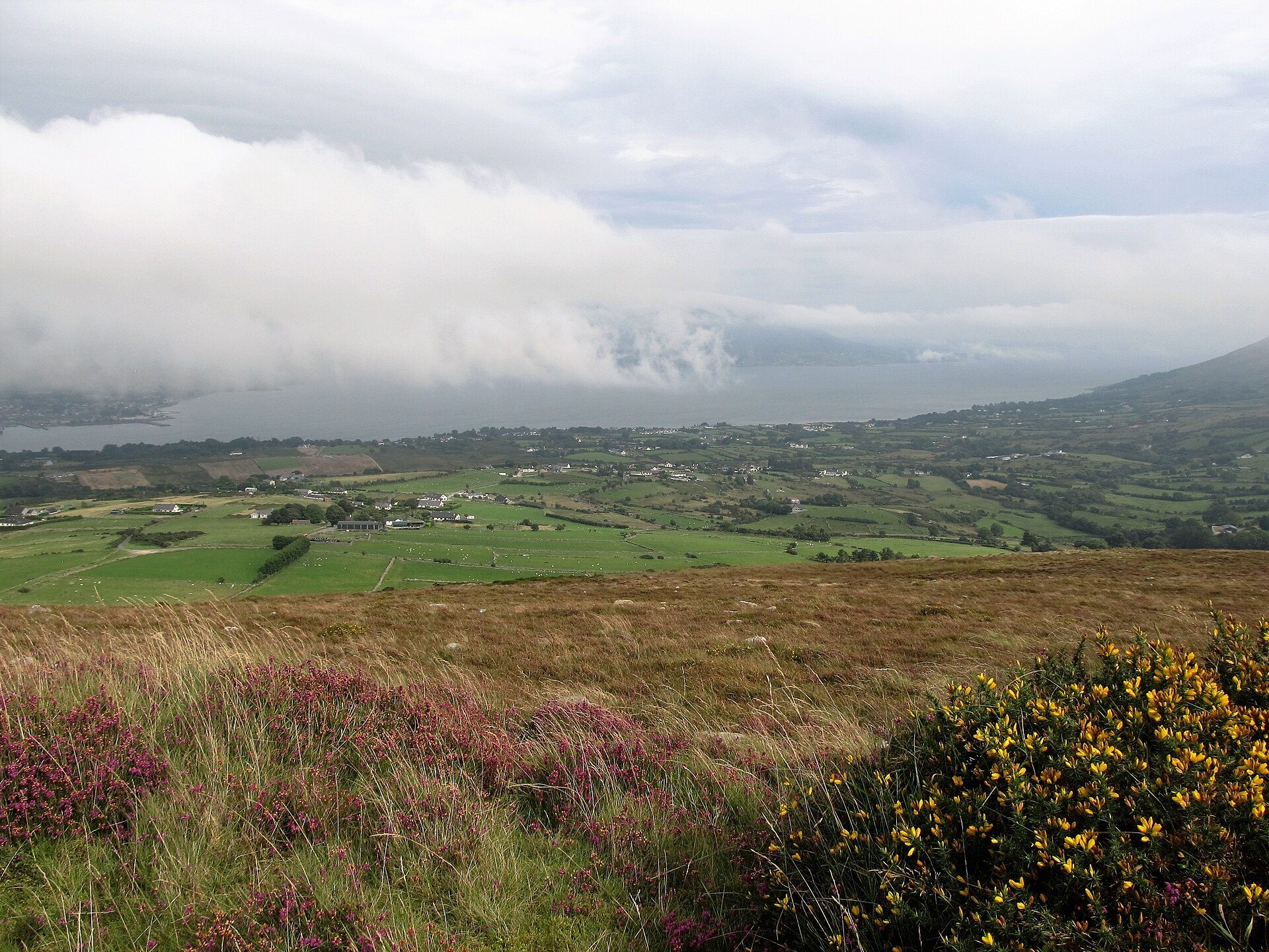
Best sites to see in Dundalk
County Museum Dundalk
The county museum in a restored 18th-century warehouse on Jocelyn Street, covering Louth's history from the Stone Age to the present.
St Patrick's Pro-Cathedral
The large 19th-century Gothic Revival church on Roden Place, the best-known landmark of the town centre.
Castle Roche
The dramatic ruined Norman castle on a rocky hill north-west of Dundalk, near the border, with wide views over the surrounding country.
Proleek Dolmen
A large Neolithic portal tomb with a massive capstone at Ballymascanlon, just north of Dundalk.
Where to stand, and when
- Castle Roche hilltop: Late afternoon or sunset light shows the ruined castle against the hills towards the border.
- Proleek Dolmen at Ballymascanlon: Low morning or evening light emphasises the scale of the capstone.
- Blackrock promenade: The seaside village just south of Dundalk gives views across Dundalk Bay; go at low tide for the wide sands and shore birds.
Dundalk through history
Dundalk's name comes from Dun Dealgan, the fort of Dealga, a site associated in Irish legend with the hero Cu Chulainn.
In the medieval period Dundalk was a frontier town at the northern edge of the English Pale, facing Gaelic Ulster.
The countryside around Dundalk and the Cooley Peninsula is the setting of the early Irish epic Tain Bo Cuailnge, the Cattle Raid of Cooley.
Dundalk is the county town of County Louth, close to the border with Northern Ireland.
Practical tips
- Dundalk Clarke station is on the Dublin to Belfast Enterprise rail line, making the town an easy train trip from either city.
- Castle Roche stands in open farmland with no facilities; wear sturdy footwear and close gates behind you.
- Check tide times before walking the shore at Blackrock or Clogherhead, as Dundalk Bay has wide tidal flats.
What's on
No anchor festival is based here, but the Irish year is full: next up nationally is TradFest (20–24 Jan 2027, Temple Bar, Dublin). See the full events calendar