Irish Music
From pub sessions and jigs to the fiddle, tin whistle and bodhrán, Irish music is the soundtrack of the nation and a living tradition you can join in with.
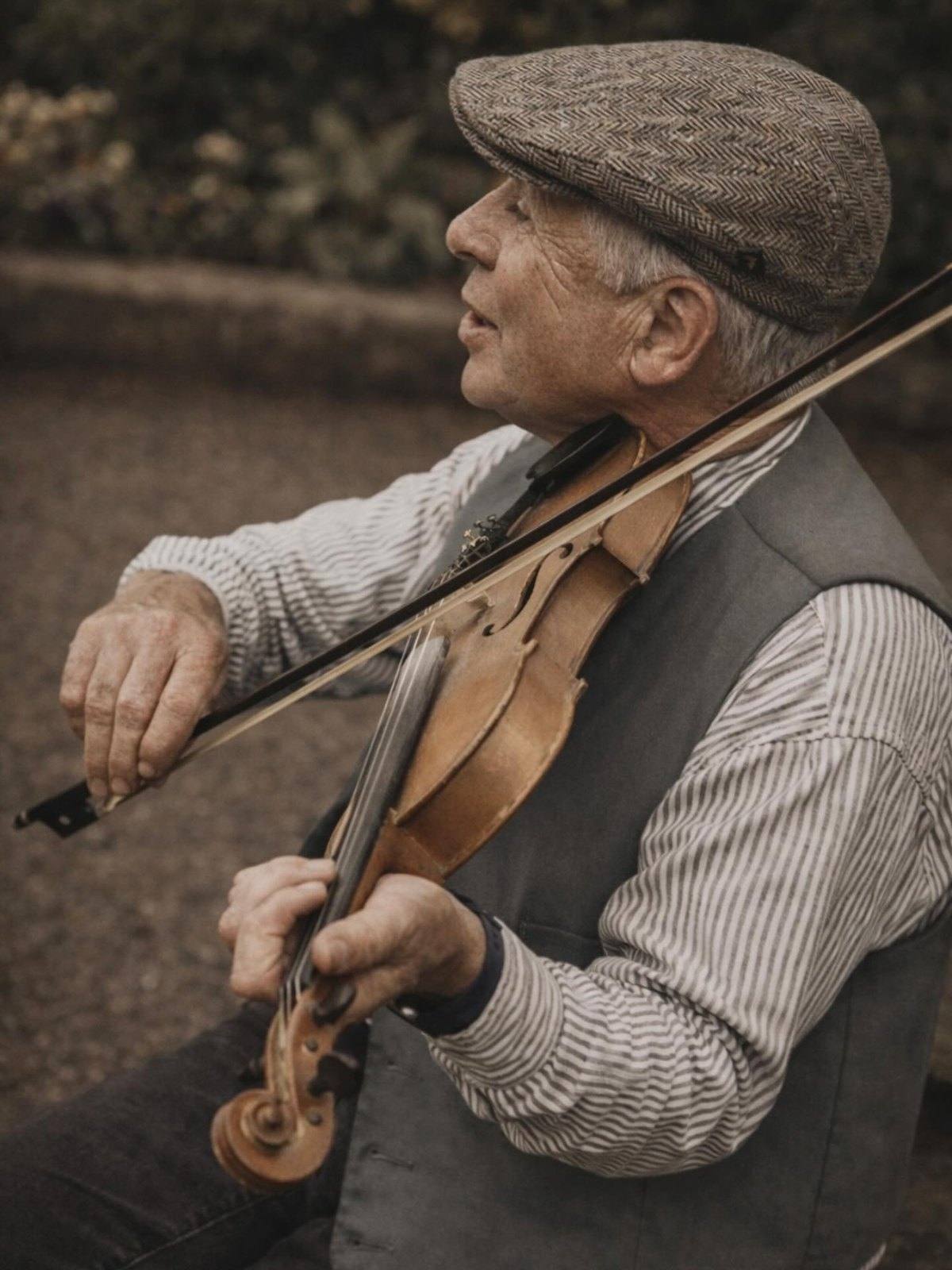
Ireland and its Music
Irish music is one of the most recognizable and cherished aspects of Irish culture, deeply woven into the fabric of the nation’s history and everyday life. From hauntingly beautiful ballads to lively traditional sessions, Irish music has influenced global genres and continues to be a symbol of Irish identity.
Even in times of hardship, Irish music remained a powerful form of storytelling, expressing the joys and sorrows of the Irish people, especially during periods of oppression, famine, and emigration.
Traditional Irish Music: A Living Tradition
Traditional Irish music (trad music) is still thriving, played in pub sessions and at festivals across Ireland. It is characterized by lively jigs, reels, hornpipes, and airs, often performed on instruments such as:
- Fiddle: The Irish version of the violin, played with energetic bowing techniques.
- Tin Whistle: A small wind instrument with a bright, sharp sound, often learned by Irish schoolchildren.
- Bodhrán: A goat-skin drum, played with a wooden tipper to create rhythmic beats.
- Uilleann Pipes: Ireland’s version of bagpipes, producing a softer, more complex sound than Scottish bagpipes.
- Accordion and Concertina: Popular in traditional dance music.
Sessions in Irish pubs are informal gatherings where musicians play together, and visitors are always welcome to listen, or even join in if they have an instrument.
Where to Experience Irish Trad Music:
- Galway: The famous Tig Coili pub offers nightly live sessions.
- Doolin, County Clare: A hub of Irish folk music, known for legendary sessions.
- Dublin: The Cobblestone Pub is worth a visit for traditional music.
- Belfast: The Dirty Onion and The Sunflower are great for live Irish folk.
Irish Ballads and Folk Songs
Ireland is known for its storytelling through song, with ballads telling tales of love, rebellion, history, and longing. Some of the most famous Irish ballads include:
- “Danny Boy”: A beloved and emotional song of farewell.
- “The Fields of Athenry”: A ballad about famine-era hardship and emigration.
- “Whiskey in the Jar”: A lively song about an Irish outlaw, famously covered by Thin Lizzy and Metallica.
- “The Wild Rover”: A drinking song sung loudly in pubs across Ireland.
- “Grace”: A song about love and sacrifice during Ireland’s struggle for independence.
Irish rebel songs also remain popular, often performed to commemorate Ireland’s fight for freedom.
Famous Irish Musicians and Bands
Beyond traditional music, Ireland has produced some of the world’s most successful artists, influencing rock, pop, and folk music globally. Some of the biggest names include:
- U2: One of the world’s most famous rock bands, fronted by Bono, known for hits like With or Without You.
- The Cranberries: Known for Zombie and Linger, blending rock with Irish influences.
- Enya: A master of ethereal, Celtic-inspired music (Orinoco Flow).
- Van Morrison: Belfast-born, known for Brown Eyed Girl and Moondance.
- Sinéad O’Connor: Famous for Nothing Compares 2 U, with a voice that captivated the world.
- Thin Lizzy: Pioneers of Irish rock, with classics like The Boys Are Back in Town.
- The Dubliners and The Clancy Brothers: Traditional folk musicians who helped bring Irish music to the world stage.
Ireland’s influence on modern pop and rock is undeniable, with bands like The Script, Hozier, and Dermot Kennedy continuing to make waves.
Fleadh Cheoil na hÉireann (August)
The world’s largest festival of Irish traditional music, held in a different Irish town each year.
More Info
Galway International Arts Festival (July)
A mix of music, arts, and performance, featuring both Irish and international artists.
More Info
Dublin TradFest (January)
A celebration of Irish folk and traditional music, with concerts in some of Dublin’s most historic venues.
More Info
Electric Picnic (Late August - Early September)
Ireland’s biggest music festival, featuring a mix of pop, rock, indie, and electronic acts.
More Info
Ireland’s biggest music festival, featuring a mix of pop, rock, indie, and electronic acts.
More Info
Willie Clancy Summer School (Early July, County Clare)
A week-long traditional music festival celebrating Irish piping and folk instruments.
More Info
Irish music is more than just entertainment. It is a connection to the past and a way of bringing people together. Whether you’re tapping your foot to a fast-paced reel, singing along to a pub ballad, or enjoying a modern Irish artist, you’re experiencing a tradition that has shaped Ireland and the world.
Questions, answered
What instruments are used in traditional Irish music?
Traditional sessions feature instruments such as the fiddle, tin whistle and bodhrán (a goat-skin drum played with a wooden tipper), performing jigs, reels, hornpipes and airs.
Where can I hear traditional Irish music?
Traditional Irish music is still thriving in pub sessions and at festivals across Ireland, where musicians gather informally to play together.
Why is music so important in Irish culture?
Even in times of hardship, Irish music remained a powerful form of storytelling, expressing the joys and sorrows of the Irish people through famine and emigration.